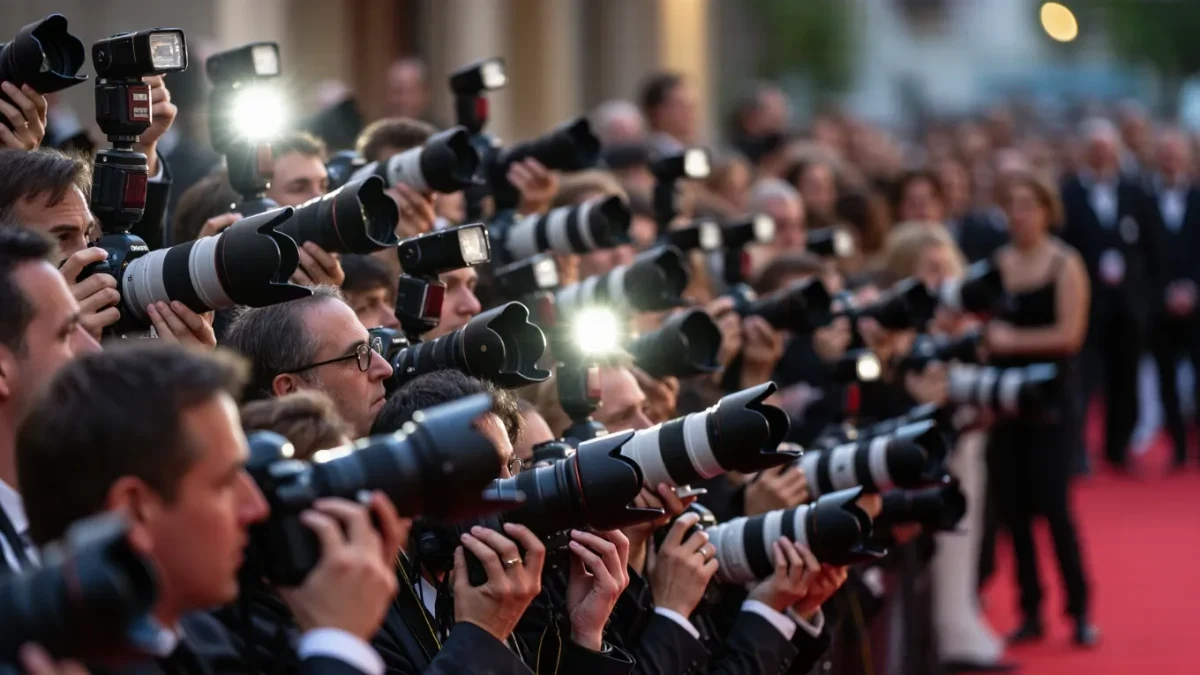
The Golden Globes are film and television awards voted by a small international group of entertainment journalists, presented each January in Beverly Hills and televised as the traditional kickoff of Hollywood's awards season. An expanded body of roughly 300-plus international journalists now decides about 25 film and TV categories. This explainer covers how the awards work; details are current as of January 2026, with the 83rd ceremony having been held January 11, 2026, per AP's awards coverage.
Who Actually Votes for the Golden Globes?
For most of the Globes' history the voters were the Hollywood Foreign Press Association, an organization of Southern California-based journalists writing for overseas outlets — a membership that numbered around 90 at its end. After a 2021 Los Angeles Times investigation raised ethics and diversity concerns, the HFPA reformed and then dissolved; the awards assets were acquired in 2023 by Dick Clark Productions and Eldridge Industries, and voting moved to an expanded, more diverse body of international journalists from dozens of countries, administered under the Golden Globes Foundation. The voting roll now exceeds 300 members, making it far larger than the old HFPA but still a fraction of the roughly 10,000-member film Academy.
How Are the Golden Globes Different From the Oscars?
Three structural differences matter. First, the Globes honor television alongside film, so series and limited series compete on the same night as movies. Second, the Globes split lead acting and picture categories into drama and musical-or-comedy tracks, which doubles the nomination slots and lets comedies and musicals win top prizes — a reason studios campaign hard there. Third, the calendar: the Globes land in early January, weeks before Oscar nominations are announced, so a Globe win can steer momentum during Academy voting. The Oscar correlation is real but imperfect; the two groups' Best Picture choices have diverged repeatedly over the past decade.
When and Where Does the Ceremony Take Place?
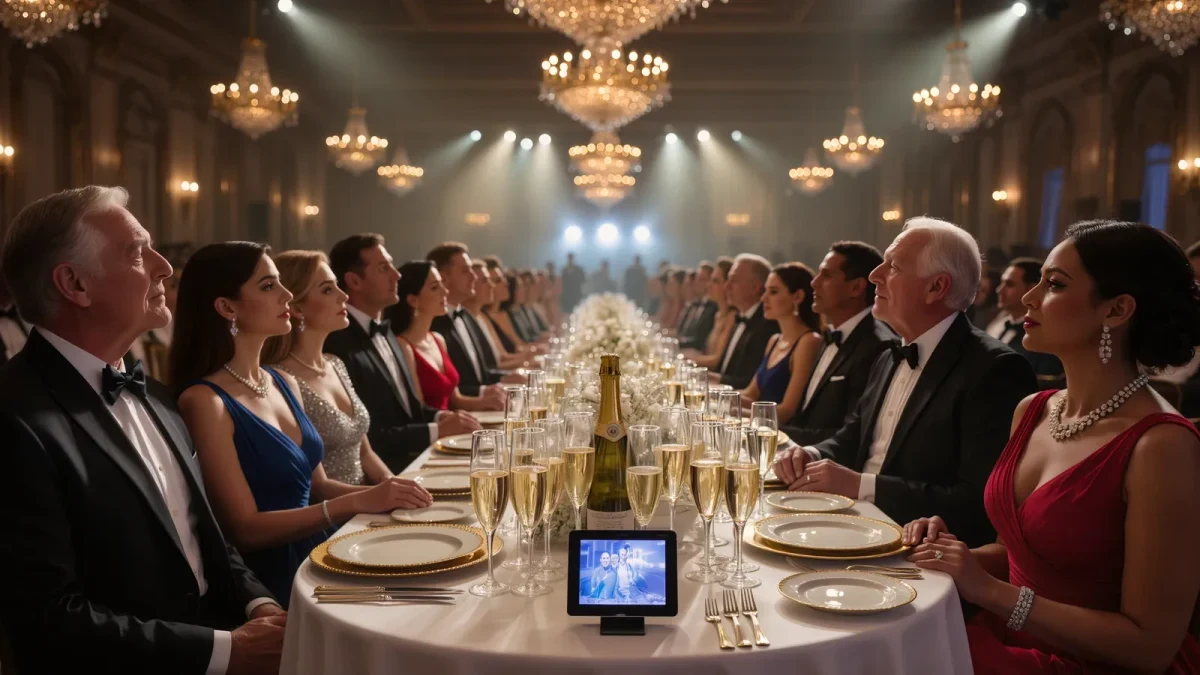
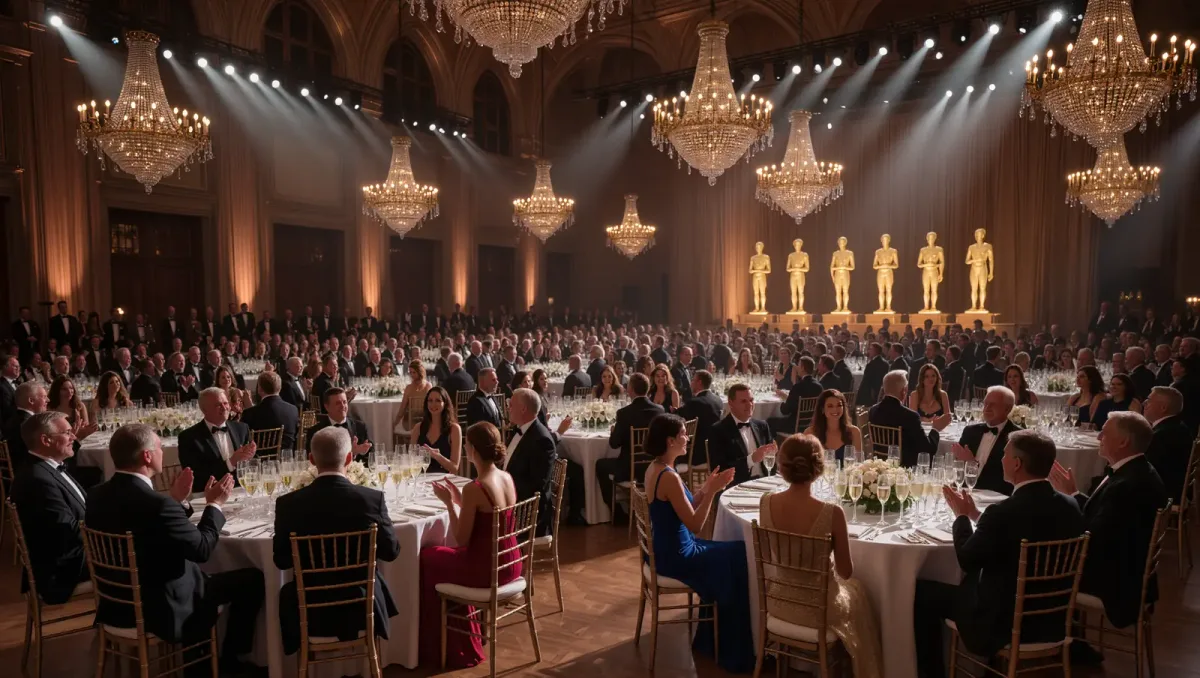
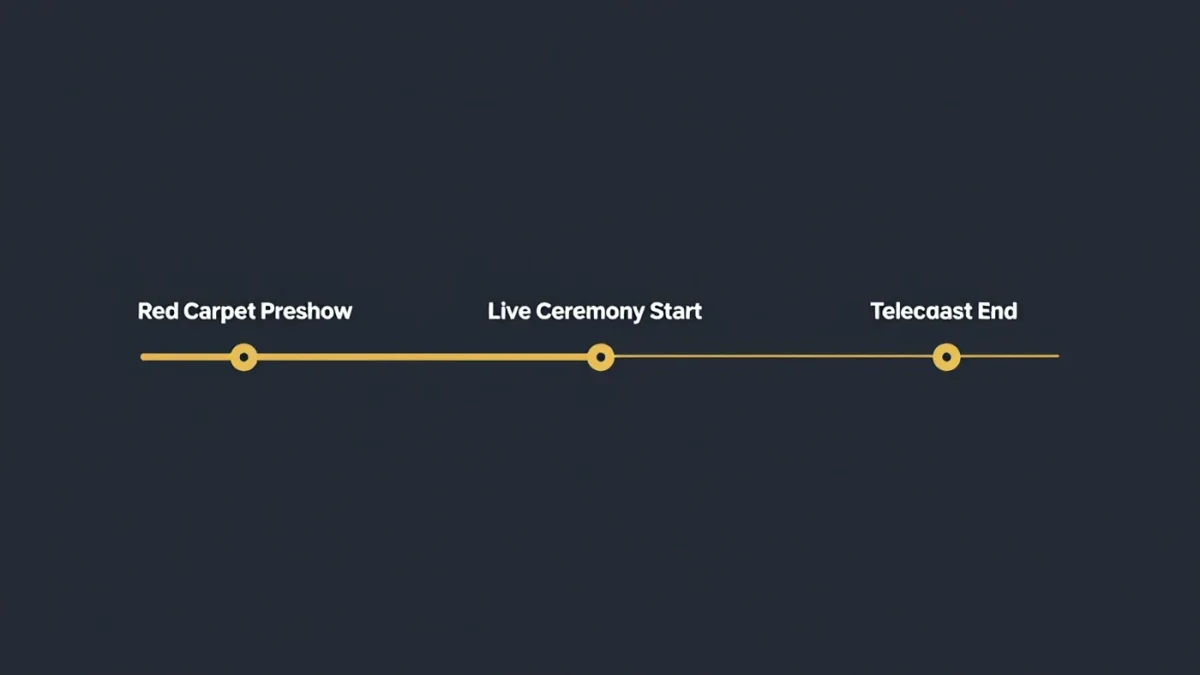
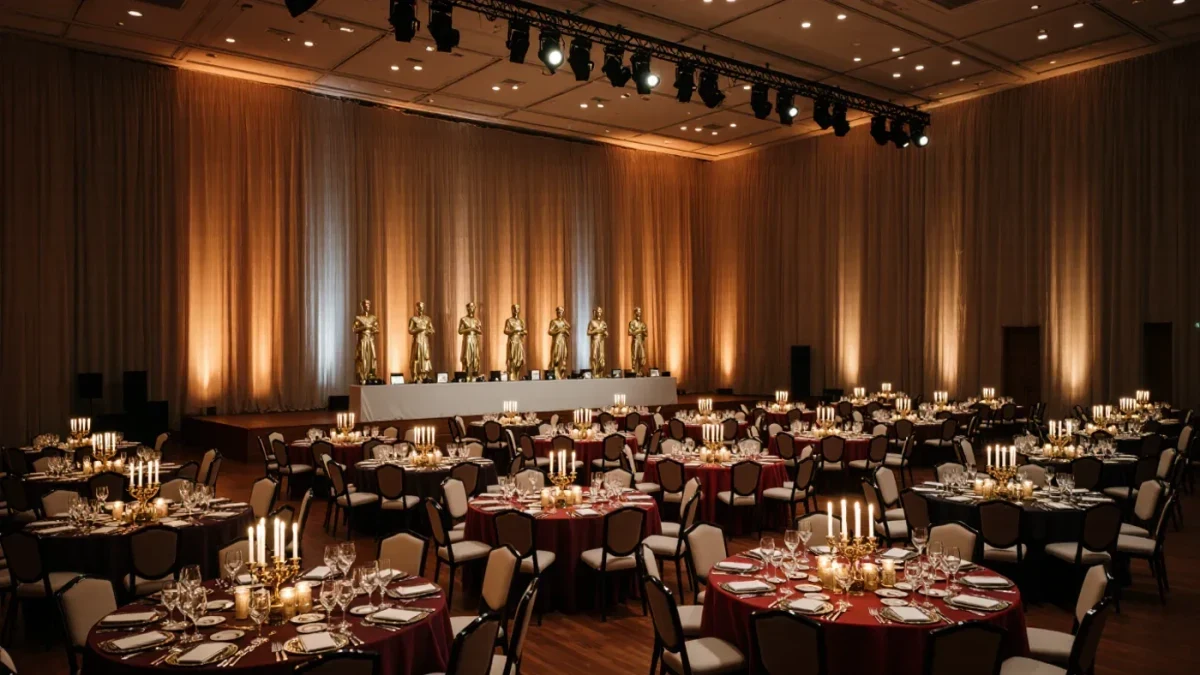
The ceremony is held in January at the Beverly Hilton in Beverly Hills, broadcast in recent years on CBS in the United States and streamed on Paramount+, after a long run on NBC. The 81st edition took place January 7, 2024, and the 82nd on January 5, 2025, with comedian Nikki Glaser hosting; the 83rd followed on January 11, 2026. The show runs roughly three hours with dinner-table seating — a looser room than the Oscars, a format producers treat as part of the appeal.
What Categories and Special Awards Exist?
Alongside the drama and comedy/musical picture and acting races, the Globes present directing, screenplay, score, and song awards for film; television categories spanning drama, comedy, limited series, and acting; and two honorary prizes — the Cecil B. DeMille Award for film achievement and the Carol Burnett Award for television achievement. In 2024 the ceremony added two audience-flavored categories: cinematic and box office achievement, and best stand-up comedian on film, broadening the field beyond critics-facing categories.
What Almost Ended the Golden Globes?
The awards' modern structure is the product of a near-collapse. A 2021 Los Angeles Times investigation reported that the then-HFPA had no Black members, had paid members substantial sums for committee service, and operated with minimal oversight — findings that triggered a boycott: NBC declined to broadcast the 2022 ceremony, studios pulled their campaigns, and publicists suspended participation. The organization responded with reforms: membership expansion, a code of conduct, bylaws changes, and the creation of a separate charitable arm.
In 2023 the dissolution and sale followed: the HFPA wound down its awards operation, and the Globes' assets and brand moved to Dick Clark Productions and Eldridge Industries, with voting opened to the larger international journalist body that now decides the winners. NBC returned for the January 2023 broadcast before the show moved to CBS in 2024. The television audience, like the audience for most live award shows, has trended down from its 2000s peak — while remaining large enough to anchor a January Sunday night.
The episode is worth remembering when weighing Globe results: the trophy's prestige derives from momentum and broadcast reach, not from the size or statistical representativeness of the electorate. That was true before 2021 and remains true of the reorganized body — a context that helps explain both the Globes' promotional power and the limits of treating them as a verdict.
Why Do the Golden Globes Matter to Viewers?
For the audience, the Globes function as the first big filter of awards season: a shortlist of films and performances that will dominate conversation through the Oscars in March, arriving while many titles are still in theaters or just reaching streaming. A win typically triggers a surge of screeners, rentals, and platform promotion around the honored titles. For the industry, per Reuters' annual awards coverage, the show's blend of press access and broadcast reach makes it a campaign milestone even after its turbulent years. Neither function requires the Globes to predict the Oscars exactly — momentum, not prophecy, is the product.
What Should You Keep in Mind Watching Any Awards Show?
Awards results are the opinion of one specific voting body, not a measure of quality; the Globes' small-journalist electorate makes that especially true. Treat the ceremony as a viewing guide and a live-television event, and evaluate honored titles on their own records — reviews from named critics, availability, and your own taste. Red Orb News covers awards as facts about the industry, not as endorsements of any winner.