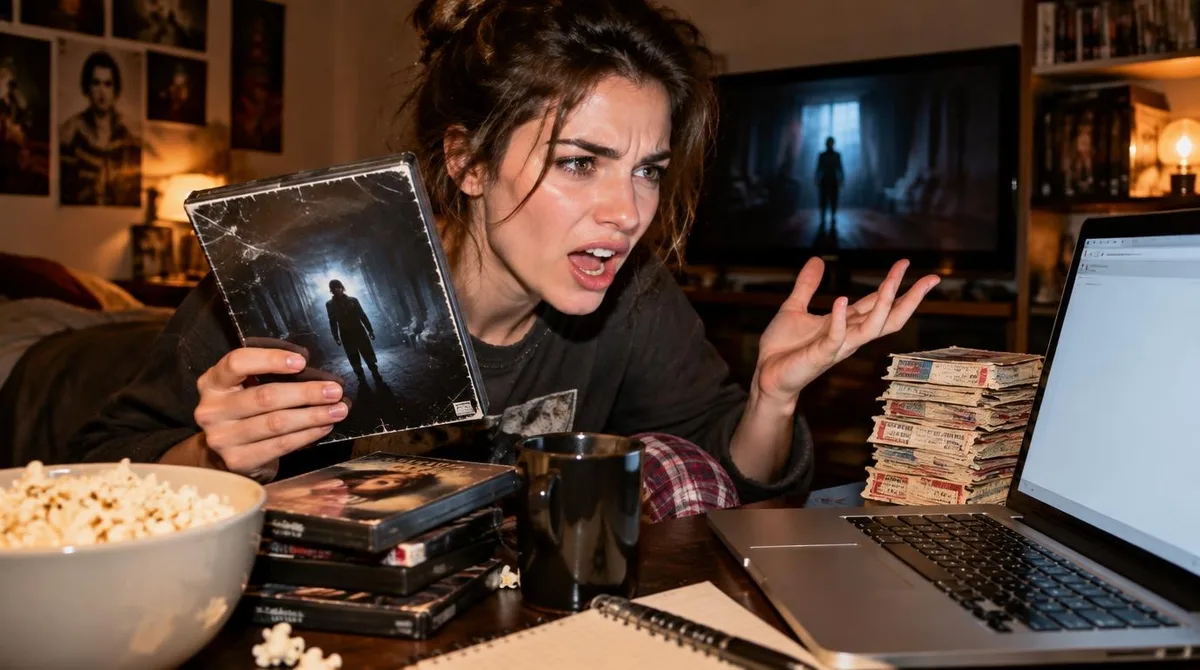
A meme is a joke that copies itself. It is an image, a clip, a phrase, or a sound that people pass along with their own small edit attached, until the edit becomes the point. Understanding memes means understanding a lifecycle: where a joke starts, how it spreads, and why some last for years while others vanish within days.
The current charts make the pattern easy to see. According to meme.com's trending page, the most-shared memes right now include an AI-generated gnome dancing to a rap song, a fishing-pond confrontation remade with cats and wizards, and a boy yelling "six, seven!" during a basketball video. Each one is a template waiting for a new caption, which is exactly how a joke becomes a language.
For readers who felt a small culture shock the first time a coworker said "brainrot" in a meeting, this guide walks through how memes live and die, and what that cycle says about the internet's shared sense of humor. If you are new to the beat, our culture section tracks these shifts as they happen.
What exactly is a meme, and where do they come from?
The word comes from biology. Richard Dawkins coined "meme" in his 1976 book The Selfish Gene to describe an idea that spreads from mind to mind the way a gene spreads through a population. The internet took the term literally. A meme is now any piece of media that gets copied, altered, and recopied, with each copy carrying a trace of the one before it.
Origins vary more than people expect. Some memes begin as ordinary moments caught on camera. The "67 Kid" meme, per meme.com, centers on a boy named Maverick Trevillian filmed yelling "six, seven!" with big hand gestures during a basketball video in March 2025, then remixes and spin-offs followed on TikTok. Others come from old media dug up decades later: "Man Putting Hand On Shoulder" is a reaction image pulled from the 1970s soccer anime Akakichi no Eleven, which spread on French Twitter in late 2023 before becoming a redraw trend in January 2024 once fans identified the source scene.
That second path matters. The internet does not only make new jokes; it excavates old ones. An anime frame from the 1970s can become a go-to reaction in 2024, the same way a 2011 South Park clip of Randy Marsh muttering "What's up brah?" exploded on TikTok and Instagram Reels in October 2026 after years of slow edits. Memes have archives, and the archives get raided.
Why do some memes go global while others die fast?
The memes that travel widest tend to share three traits. First, they are simple to understand at a glance: a cat clapping slowly, a dog sitting calmly in front of a stove fire. Second, they are easy to remix; a template needs an open slot where anyone can drop in their own situation. Third, they carry a feeling that is broadly useful, like smug mischief or sarcastic applause.
"Black Cat Clapping" shows all three working at once. Meme.com describes it as an AI-generated clip of a grinning black cat with human arms slowly applauding, posted by Instagram user Aleksandr Kim in late September 2026. Within a week it jumped to TikTok as a green-screen format used to sarcastically applaud bad behavior, becoming one of fall 2026's fastest-moving reaction edits. One clip, one clear emotion, endless applications.
Memes that require insider context travel less far, though they can burn intensely inside their community. "Neegy," a slang word built around a Fortnite voice chat clip from July 2026, makes little sense without the gaming world around it. That is not a flaw; it is a feature of how internet subcultures mark membership. The joke is the password.
What is a meme lifecycle, and how long does it last?
Most memes move through the same rough stages, and knowing them helps you read the feed:
- Spark. A single post lands in the right corner of the internet at the right moment. "Hit the Road Dude" started as an August 2025 TikTok of an older man in a white pickup truck chasing two fishermen away from a pond, per meme.com.
- Acceleration. Early adapters remix the raw material. The pond clip spun off the "State Property" and "Lock 'Em Up" memes within weeks.
- Peak. The format reaches people far outside its origin community. Brands, news accounts, and your aunt start using it.
- Irony stage. The joke becomes so common that people use it to mock itself, or revive it deliberately out of date.
- Afterlife. Some memes sleep and return. In October 2026 the pond clip came back as a wave of AI remakes starring cats, Skyrim characters, and wizards.
Timelines vary enormously. "Paint Grandpa" — the nickname for Bobby, a 90-year-old man who accidentally ate half a quart of mint green paint in February 2019 after mistaking it for yogurt — was being cropped into Jojo's Bizarre Adventure jokes within 48 hours of his granddaughter's tweet, according to meme.com. "Piper Perri Surrounded," an image macro pulled from a 2015 adult film and turned into a financial-anxiety joke by an anonymous 9GAG user in January 2016, has stayed in rotation for a decade and resurfaced in news headlines in 2026. Others last a season. There is no fixed clock, only the remix rate: as long as people keep editing, the meme is alive.
How are AI and slang changing the way memes spread?
Two forces are reshaping the cycle. The first is generative AI, which removes the production bottleneck. The gnome-dancing "Rumpelstiltskin Tiptoe" meme and the cat-and-wizard remakes of the pond video are AI-generated, which means anyone can manufacture a fresh variation in minutes instead of hunting for footage. That speeds up the acceleration stage dramatically, and it also floods the zone: when variations are cheap, standing out requires a stronger concept.
The second force is slang. Memes and slang feed each other, because both are shorthand that signals who is in on the joke. "This Jit Cracks Birds" is an AAVE catchphrase meme that grew from a two-panel Instagram image in 2025, using Florida slang where "jit" means a young person. "La Peace," meanwhile, is a viral audio meme from August 2026 built around streamer Kai Cenat mispronouncing the Minecraft resource lapis lazuli during a Hardcore stream with IShowSpeed. A mispronounced word became a monk-like reaction format. Language bends fast online, and our Pop Culture Slang That Changed How We Talk, Explained piece follows that same story offline.
What this means for a casual viewer is simple: the barrier to entry keeps dropping. You no longer need editing skills to participate, only a caption. The trade-off is speed. A joke can peak and go ironic within days, so being late now means arriving after the punchline has already turned into a punchline about the punchline.
Why do old memes keep coming back?
Nostalgia is part of it, but the revival mechanism is more practical than sentimental. A meme that already worked once is a proven template. When the context shifts, the same image can carry a new meaning. The pond video did not return in October 2026 because people missed 2025; it returned because AI tools made a new kind of remake possible, and the underlying scene — a man drawing a line and saying "leave" — still reads perfectly.
Old memes also return because reaction formats accumulate like tools in a drawer. "Guy Pointing At Himself," based on a 2012 Shutterstock photo, went viral in May 2025 as a TikTok photo comment used to signal "Me?" confusion after TikTok rolled out image comments. The image waited more than a decade for a feature that gave it a job. Platform changes, new tools, and fresh communities constantly create openings for material that already exists.
The reappraisal instinct runs through all of internet culture, not just memes. Our How Fandom Reinterprets Films Years After Release: The Reappraisal Cycle, Explained piece covers the same pattern in movies, and How Online Film Fandom Changed Movie Culture, Explained digs into the meme economy around film discourse specifically. We covered a connected angle in How Online Film Fandom Changed Movie Culture, Explained: Letterboxd, Forums, and the Meme Economy.
What this means for how you watch the internet
The meme lifecycle is the internet's version of a hit parade, and it rewards the same attention any culture beat does. Notice the spark, not the peak; the interesting moment is the small clip with an open slot, not the one every brand has already captioned. Expect revivals rather than clean deaths. And expect the vocabulary to keep shifting, because the memes that survive longest are the ones flexible enough to mean something new each time they are copied.
The evidence so far suggests one durable rule: a joke goes global when it gives the largest possible number of people the smallest possible job. Say the word, add the caption, hit post. The memes that die do so when the job gets too specific. The memes that last, like a decade-old couch photo or a 1970s anime frame, are the ones that keep finding new hands to pass them along.