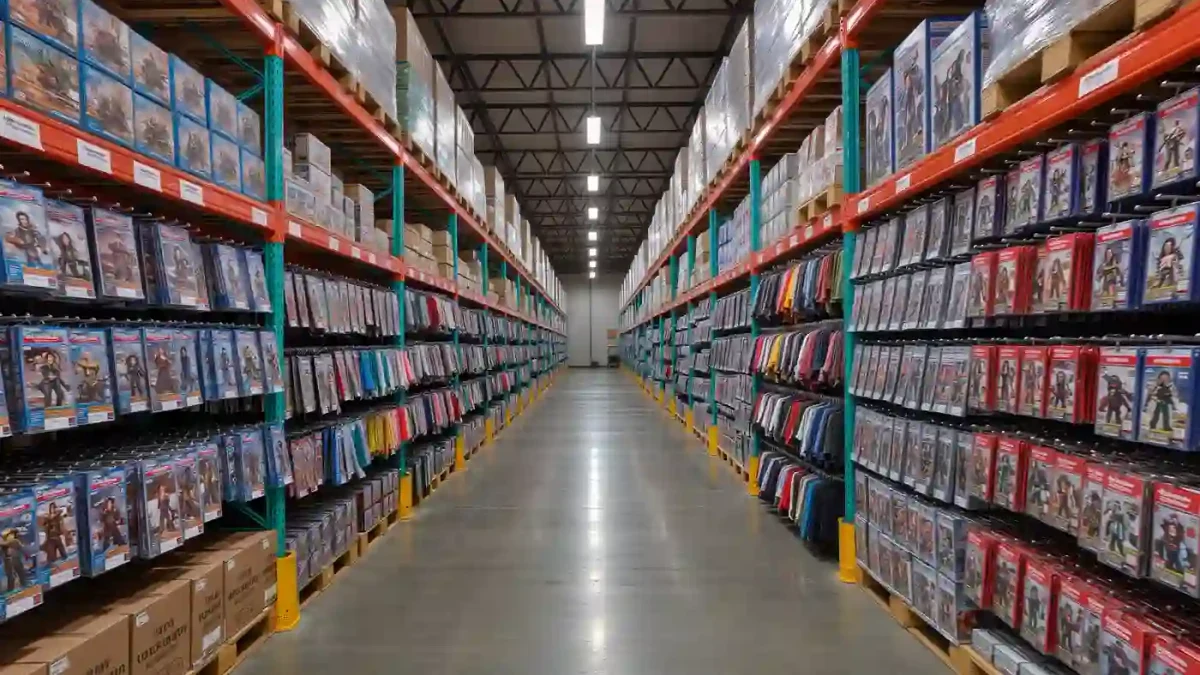
Franchise merchandise has shaped film culture since 1977, when the toy line for Star Wars — licensed by 20th Century Fox to Kenner before anyone guessed the film's size — grew into one of the most lucrative licensing operations in entertainment history, with retail toy sales the industry measures in the tens of billions of dollars over five decades. As of 2026, licensing is a core revenue pillar of every major franchise. This explainer traces how toys, apparel, and collectibles changed what studios make and how audiences relate to the result.
Red Orb News publishes sourced information, not opinions about any franchise. Sales history and industry practices below are attributed to the reporting and trade coverage named in each section.
How Did Franchise Merchandising Start?
Licensing predates Star Wars — Disney chartered its merchandising division in 1929, licensing a Mickey Mouse writing tablet within a year of the character's debut, and through the studio era studios licensed characters to toy makers. What changed in 1977 was scale and structure. Fox's merchandise rights deal, negotiated when the studio expected a modest summer release, handed toy maker Kenner demand it could not physically meet: as widely reported in the toy industry press, Kenner sold empty boxes with redeemable certificates for action figures during the 1977 holiday season because the figures were not ready. The recovered figure line that followed sold for decades. The lesson studios took, per trade coverage of the era, was that licensing was not a promotional afterthought but a second business.
Why Do Studios License Toys and Collectibles?
Because a hit film's merchandise revenue can rival or exceed its box office over the life of a franchise. Licensing works on a simple structure: a manufacturer pays the studio for the right to make products, then royalties on sales, while the studio keeps the film itself. For franchise owners, the products also extend the property's shelf life between installments — a child playing with figures in 1985 was holding the brand in an era when no new Star Wars film was in theaters, which is part of why the property's commercial value never went dormant. Trade and news reporting on franchise licensing, including Reuters' coverage of entertainment-conglomerate earnings, treats consumer products as a standing segment alongside theatrical and streaming revenue.
How Has Merchandise Changed What Films Get Made?
Merchandisability became a greenlight criterion. The clearest turn came with toys-first franchises of the 1980s — lines like Masters of the Universe, Transformers, and G.I. Joe, where in several documented cases the toy line existed first or was developed alongside the series, and the screen content functioned partly as advertising for the products. That logic carried into the modern franchise era: characters designed with distinctive silhouettes and vehicles designed as playsets are creative decisions with licensing attached. The counter-case matters too: by 2026 the top-grossing originals of the previous years — adult dramas and R-rated hits like 2025's Sinners — moved almost no merchandise, and their success pushed studios to keep a lane open for films whose revenue is purely the film. Fandom culture, as coverage of film collecting has observed, treats the two models as distinct pleasures rather than rivals.
What Does Merchandise Mean for Fandom?
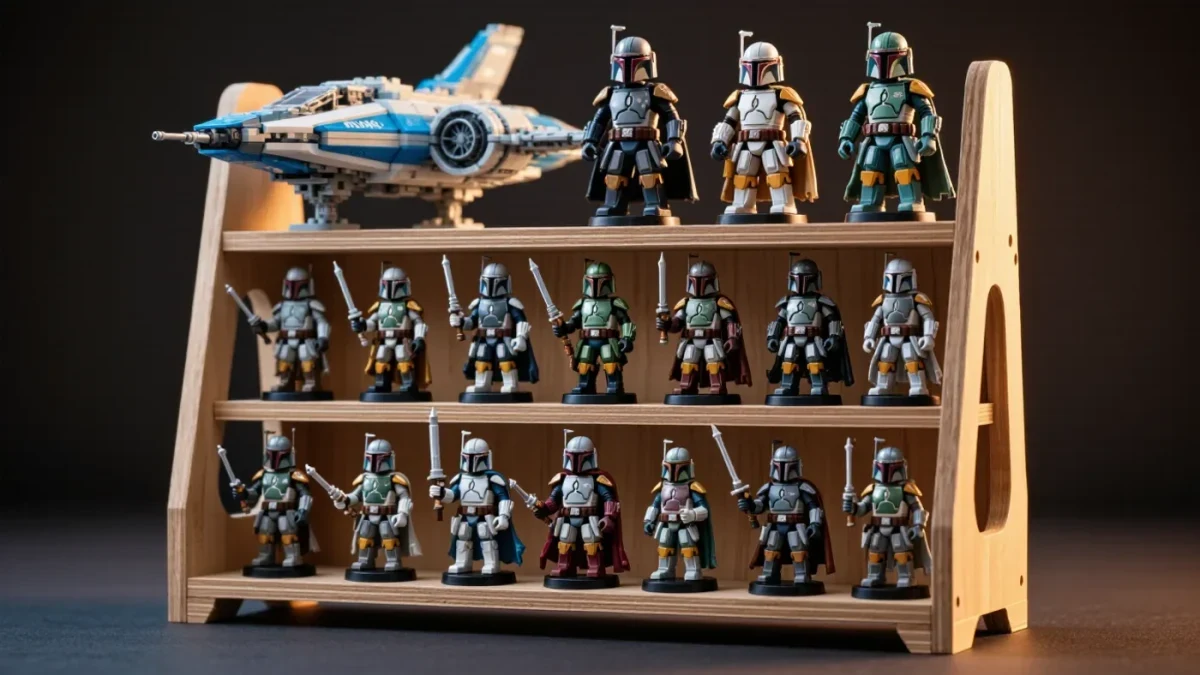
Merchandise is how a film becomes an identity. A shelf of collectibles, a LEGO set of a franchise location, a poster, a worn convention t-shirt — these are artifacts of affiliation that exist between viewings, when nothing is on screen. Sociologists of fandom, in work covered by the BBC and academic publishers, describe collecting as a practice of curating a relationship with a story rather than mere consumption. The secondary market agrees: graded vintage action figures and sealed boxed sets trade at auction for sums that were once reserved for comic art, and price-reporting outlets track film props and toys as an established collectibles category. The objects outlive release windows; a 1978 figure still circulating is a physical memory of a film culture fifty years deep.
Where Is the Line Between Marketing and Culture?
The honest answer is that there is no clean line, and observers have argued both directions. Critics of franchise consumerism, in commentary published across major outlets, have argued that merchandise incentives flatten filmmaking toward the toyetic — colorful, episodic, endlessly extendable. Defenders, including the licensing industry's own trade press, note that merchandise also funds and stabilizes mid-tier franchises that theatrical economics alone would kill, and that the artifacts carry genuine sentimental value across generations — the parent who hands down a Millennium Falcon is transmitting a fandom, not a receipt. Both positions appear in the published record; Red Orb News reports them without choosing.
What Came After Toys — and What Is Next?
The 2020s broadened the model. The 2023 Barbie film demonstrated the scale of cross-brand licensing, with more than one hundred brand partnerships reported around its release, spanning fashion, hospitality, and consumer goods — turning a single film into a retail season. Collectibles for adult fans — high-detail figures, prop replicas, buildable sets marketed to grown-ups — became the fastest-growing shelf in the aisle, a shift the toy industry's trade coverage dates to the 2010s. By 2026, the trajectory trade reporters track runs toward experience merchandising: theme-park integration, pop-up retail, and limited drops engineered as events. The shelf, in other words, has not stopped reorganizing the cinema — it has simply moved closer to the rest of the house.