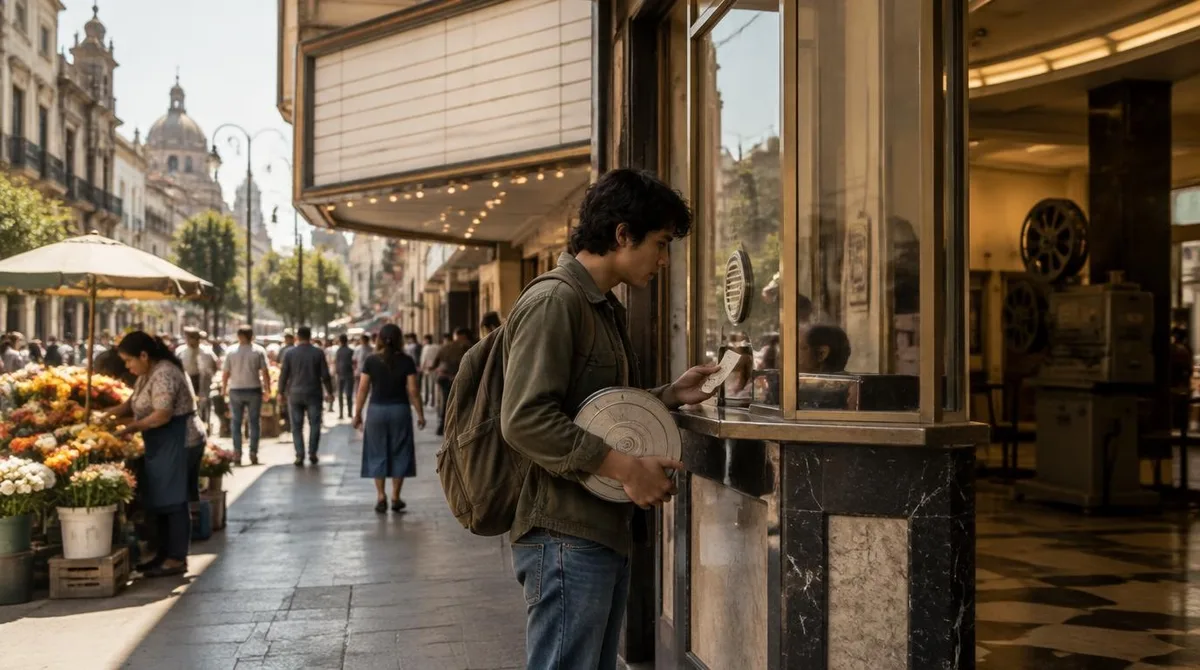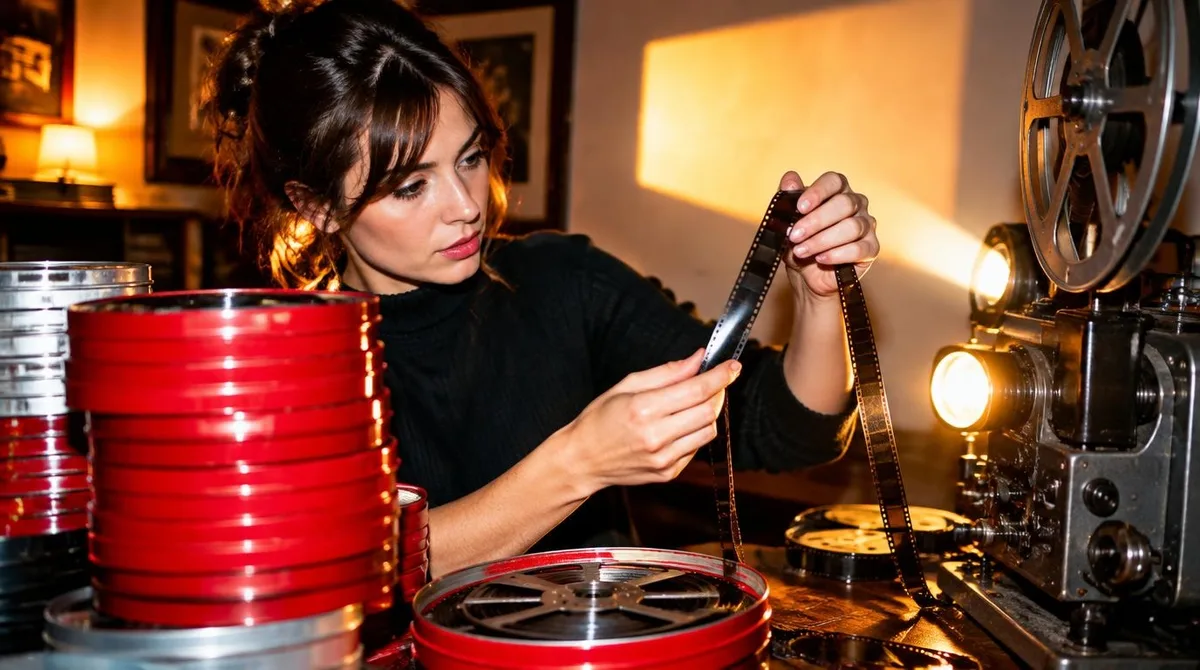
A film's reputation is not settled the night it opens. Some movies arrive to poor reviews and modest ticket sales, then spend the next decade being argued about online until a new reading sticks. That process — the reappraisal cycle — is now one of the main ways film legacy gets made.
The short version: when enough viewers return to an older film with fresh eyes, shared context, and a place to talk, the critical record can shift. Sometimes the shift is small. Sometimes a movie once dismissed as a flop becomes a touchstone. And the place where that happens has changed from the video store counter to the social feed. We covered a connected angle in How Online Film Fandom Changed Movie Culture, Explained: Letterboxd, Forums, and the Meme Economy.
What is a reappraisal, exactly?
Reappraisal is when a film's standing improves — or occasionally falls — well after release, driven by new audiences rather than new evidence. The film itself doesn't change. The conversation around it does. Readers following this should also see Why Subtitled International Films Grew Their Audiences, Explained: The Parasite Effect and After.
Three things usually have to line up. First, the film has to be findable: on streaming, on physical media, or at a repertory screening. Second, a community has to adopt it and keep talking about it. Third, the new reading has to say something the original reception missed — a theme that reads differently now, a performance that ages better than expected, or craft that only shows up on a second watch.
That third part matters most. A reappraisal isn't just nostalgia. It's an argument: this movie was about something, or did something, that its first audiences and reviewers didn't fully register.
How did online communities change the cycle?
Before the internet, reappraisal moved slowly. It ran through revival theaters, film courses, home video releases, and word of mouth. A cult following could take years to form, and its arguments stayed mostly local.
Social platforms compressed that timeline. Discussion forums, wikis, and later social feeds let a small group of fans write the case for a film where anyone could read it, respond to it, and add to it. Fan-run wiki pages became the shared reference point for a movie's lore and its defenders' arguments. Wikipedia's entry on Fandom traces how the wiki-hosting service — launched in 2004 by Jimmy Wales and Angela Beesley Starling, later acquired by the private equity firm TPG — grew into a hub hosting communities for movies, TV, games, and books, with a reported 350 million users as of December 2023. Whatever the exact number, the scale of organized fan documentation is the point: fandom now keeps permanent, searchable notes on almost every film, ready for the next wave of viewers.
Those notes change how reappraisal works. A new viewer who hears a film has been misunderstood can go straight to the arguments, the scene breakdowns, and the production history. The case for the film arrives pre-assembled.
Why do some films get reinterpreted and others don't?
There's no formula, but a few patterns show up again and again in how these reversals happen.
- Availability. A film that leaves streaming or never gets a good home video release can't be reappraised, because new viewers can't see it. Access comes first.
- A hook. Reappraisals usually start with something specific: a scene, a performance, a piece of trivia, a visual style. It gives the community a door into the argument.
- Generational distance. Viewers who come to a film without the context of its release — the marketing, the era's expectations, the reviews of the day — often read it differently. What looked like a flaw to one generation can look like a choice to the next.
- Stakes. A film tied to a live cultural debate gets revisited faster. The argument isn't just about the movie; it's about what the movie says now.
Films that miss on all four tend to stay where they landed, however good they are. That's the unfair part of the cycle: legacy depends partly on luck and licensing, not just merit.
What role do generational shifts play?
Every few years, a large new audience arrives with different reference points. Films about identity, work, technology, or family can read very differently to viewers whose own lives match the subject. A movie that felt like a small genre picture in its own decade can look, a generation later, like it was early to something.
The reverse also happens. Films once praised can lose standing when their assumptions age badly. Reappraisal cuts both ways, and the same platforms that build a case for a film can build the case against it.
What's new is the speed and the record. Earlier generations of viewers might privately change their minds about a film. Today's viewers do it in public, in writing, with receipts — and their arguments stay online for the next cohort to pick up.
What this means for how you watch
If you only follow release-week coverage, you're seeing the first draft of a film's reputation, and first drafts get revised. A movie that opened quietly may be worth a look precisely because a community has spent years making the case for it.
A few practical steps:
- Check whether the film is currently streaming before assuming it's hard to find; availability changes often, and a film's visibility rises and falls with it.
- Read the disagreement, not just the consensus. When fans and critics split on a film, both cases tell you what the movie is actually about.
- Notice when your own read of an older film changes on rewatch. That gap between first impression and second impression is the same mechanism that drives the whole cycle.
Our analysis of the pattern is this: reappraisal is less a correction than a conversation finally catching up with the film. The evidence for a movie's worth was often on screen all along. What changed is that enough people, with enough places to talk, finally got around to pointing at it.
The takeaway
Film legacy is now a living process, not a verdict delivered in one weekend. Online fandom keeps the arguments alive, generational shifts keep supplying new readers, and streaming keeps the door open — when licensing cooperates. If a film matters, someone is probably still making the case for it. The reappraisal cycle is how that case gets heard.