
Topic
How Memes Became the Language of Internet Culture, Explained
Why some jokes circle the globe in a week while others fade by Friday, and what the current meme charts say about how humor travels now.
Why some jokes circle the globe in a week while others fade by Friday, and what the current meme charts say about how humor travels now.

Star memoirs sell because they are built like products: a famous name, a hired writer, and a narration that puts the voice in your ears.
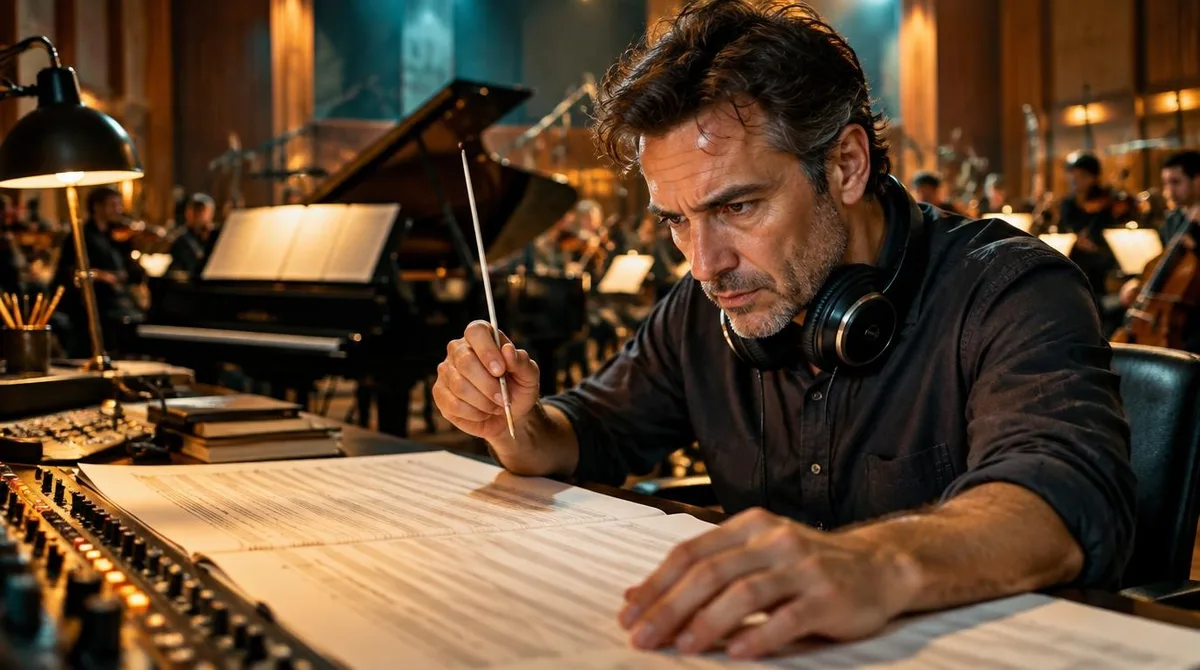
Composers use tempo, key, and silence to tell you how to feel — and most of the work happens before you notice it.

A plain-language guide to what a cover version is, why some recordings eclipse the song they came from, and how to tell which version is which.

Price, turnaround, and push-processing skill separate a good lab from a convenient one. Here is how to compare them before you hand over a roll.

Development can outlast careers, studios, and entire formats. Here is why some films wait so long, and what finally gets them made.

Casting directors, agents, and open calls: the machinery that decides who gets seen, and why most discoveries are less accidental than they look.

A film's reputation isn't fixed. Online communities revisit older movies, argue about them, and sometimes rewrite what everyone thought they meant.

What makes a finale worth a second, third, or tenth viewing — and how to judge one without a verdict from anyone else.

Rentals, free ad-supported platforms and library streaming cover most movie nights for a fraction of a cable bill.