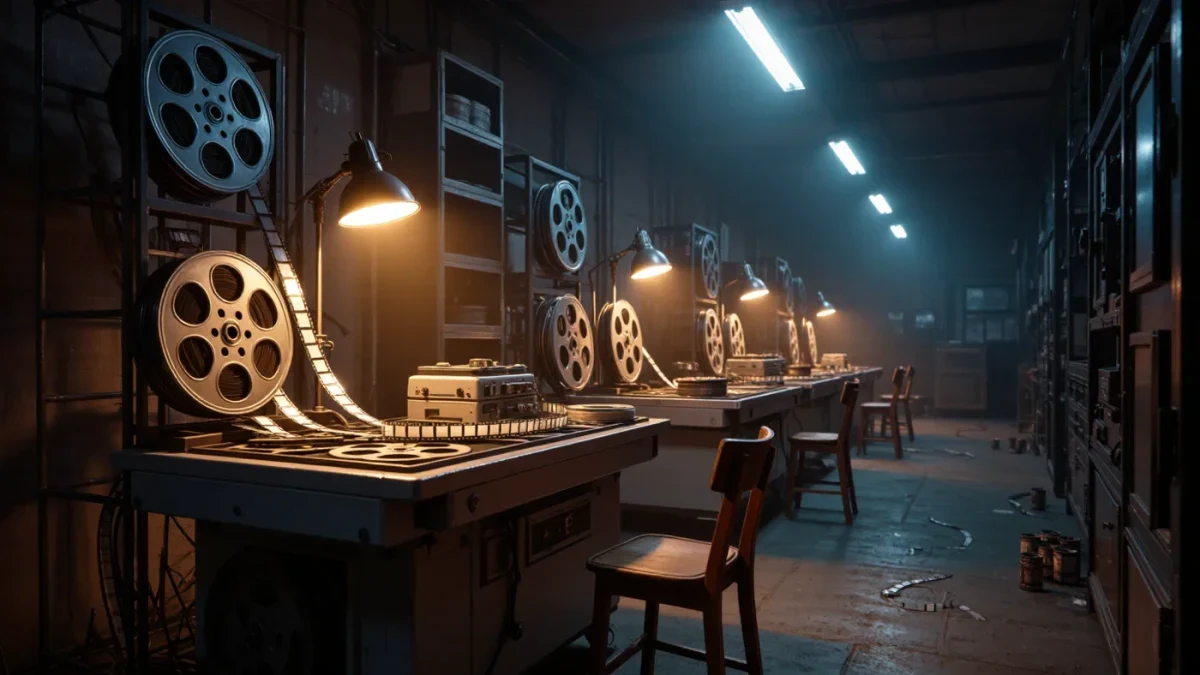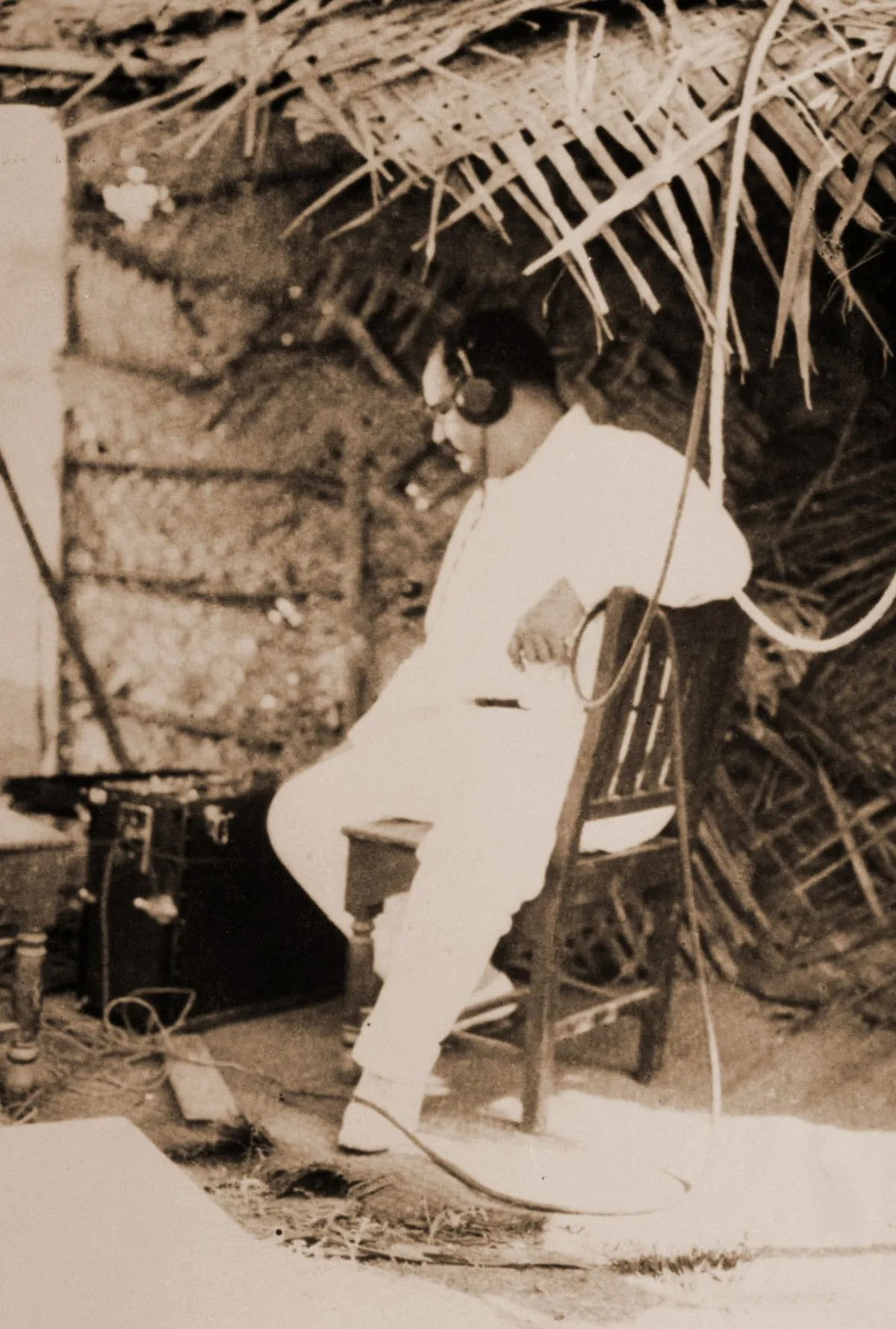
Some shots stick with you for years. A child runs down a hill in the final frames of a film, or a camera holds on a face for so long that silence becomes the story. That staying power usually comes from cinematography: the craft of controlling light, framing, camera movement, and lens choice so that each image carries meaning. As StudioBinder puts it, cinematography combines creative decision-making with technical execution, shaping how an audience experiences a story moment by moment.
The clearest lessons often come from world cinema, and Iranian film is a rich place to look. Directors working with modest budgets and strict local rules learned to suggest more than they show. A shot of a dusty road, a rearview mirror, or a long unbroken take can hold an entire moral question. Understanding why those images work teaches the same basics you will spot in any blockbuster.
This guide walks through the core tools — light, composition, camera placement, and movement — and shows how restrained filmmakers use them to make shots feel iconic. If you want the crew-side version of this job, our How Film Cinematography Works explainer covers what a director of photography actually does on set. Readers following this should also see How Film Cinematography Works: What Directors of Photography Actually Do.
What is cinematography, in plain terms?
Cinematography is the art and craft of capturing a story visually. The American Film Institute defines it as capturing moving images on film or digital cameras, telling a visual story through light, color, lens choice, camera movement, and what the frame includes or focuses on. In practice, it is everything you see and how you are made to see it.
The person in charge is the cinematographer, also called the director of photography or DP. Per Adobe, the DP translates the director's vision into imagery by making key decisions about lighting, framing, camera angles, lenses, and movement, from pre-production planning through the final color grade.
Think of it as writing with images. Every choice — where the camera sits, what stays in shadow, how long a shot lasts — is a sentence in that visual language.
How does light shape emotion?
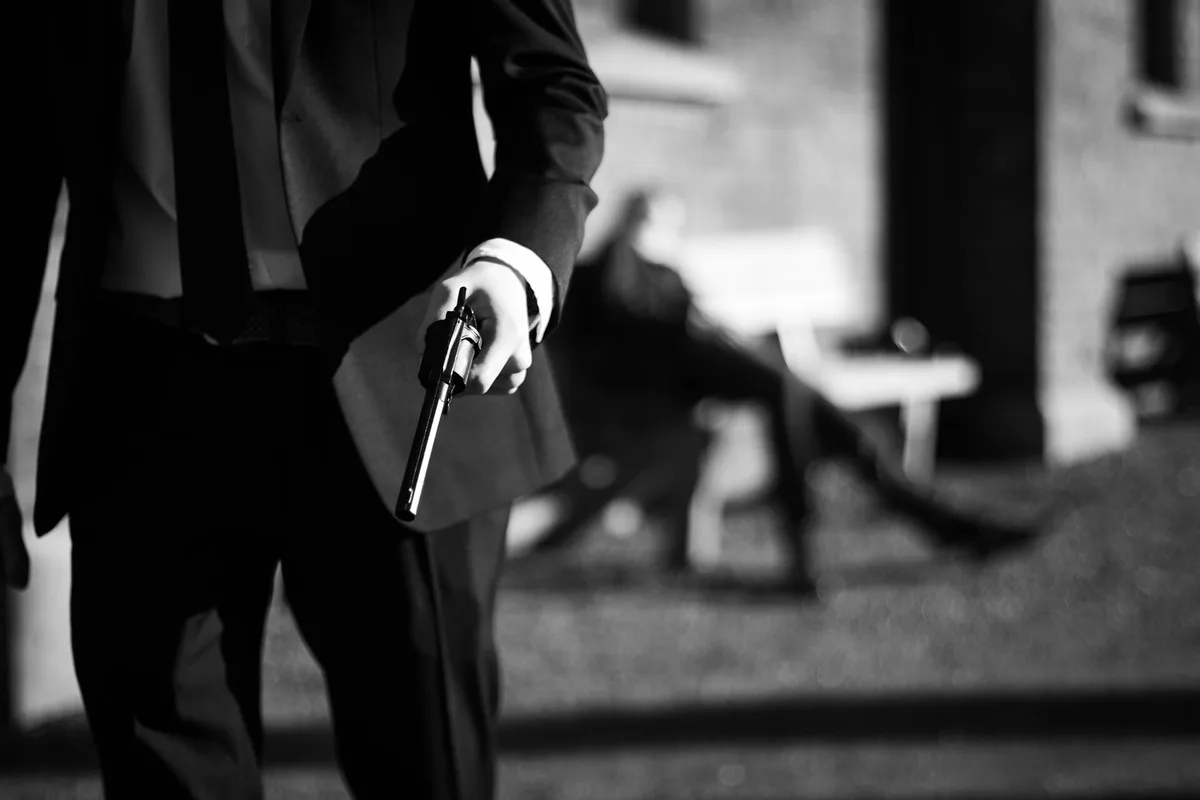
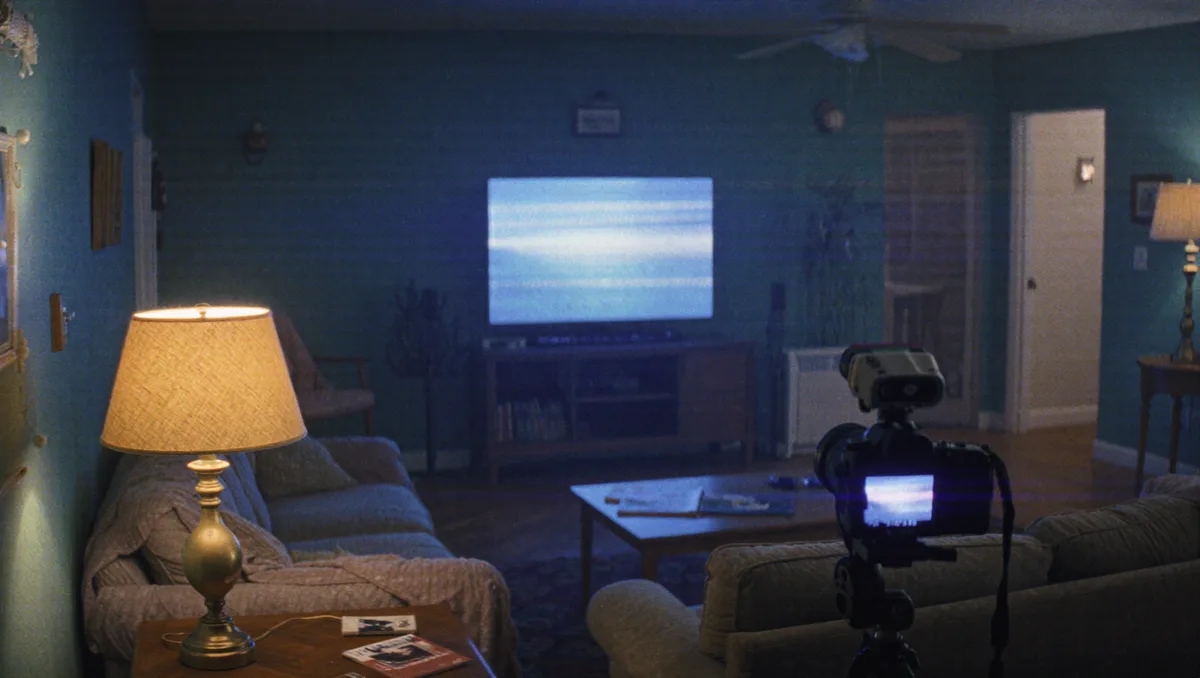
Lighting sets the mood before a single line of dialogue lands. A soft, even light feels safe and open. Hard shadows make a face feel hidden or divided. Warm tones suggest memory and comfort; cool tones suggest distance or unease.
Adobe's guide notes that lighting, color, and camera movement set the emotional tone of a scene, whether that tone is dreamy and nostalgic or dark and suspenseful. The DP and the gaffer, the chief electrician, build that tone lamp by lamp.
Iranian filmmakers often use available light and simple locations, which gives their images a natural, documentary-like honesty. Bright daylight on a plain face can feel more intimate than the most elaborate night setup, because nothing seems staged between you and the person on screen.
Why does framing matter so much?
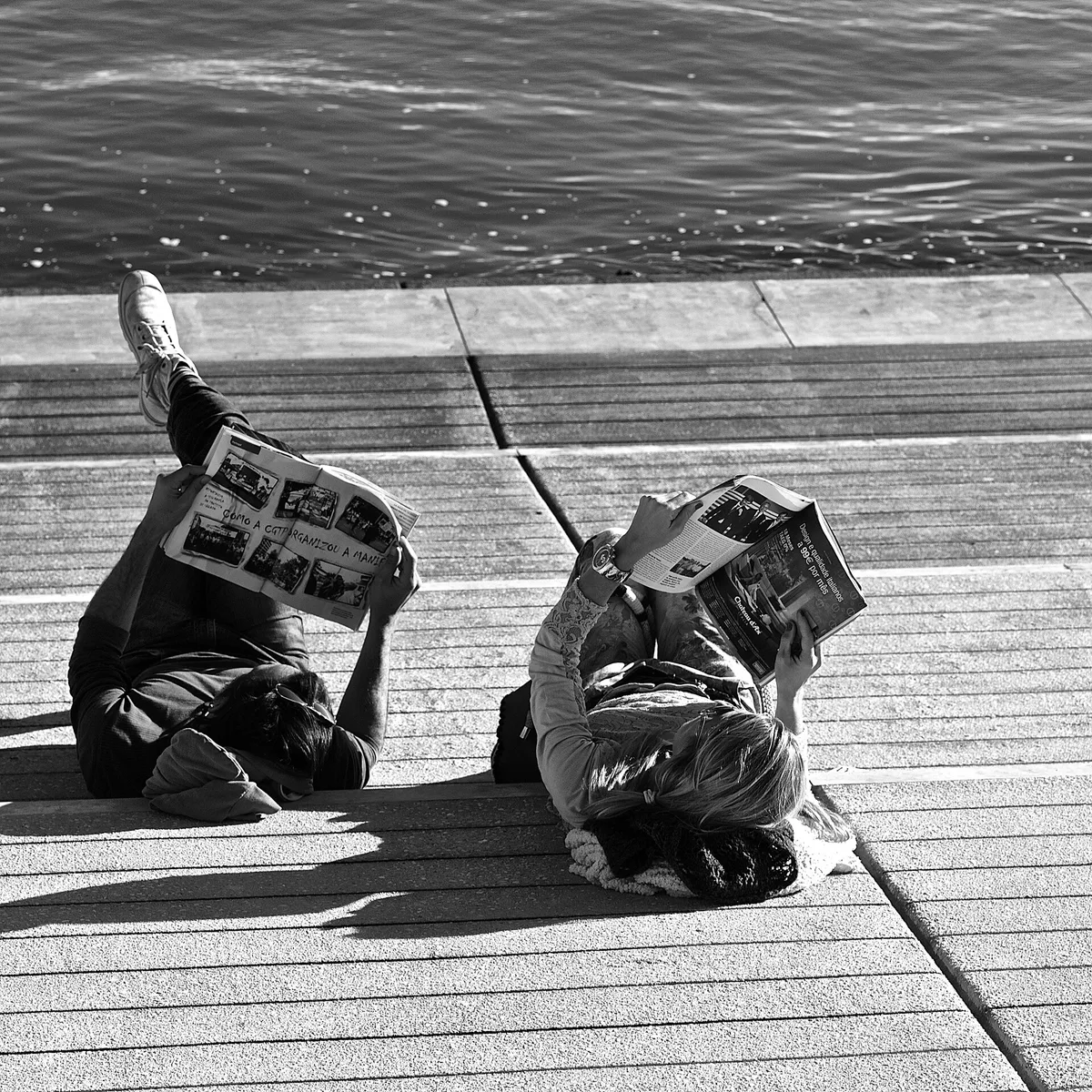
Framing is what the camera includes and where it puts things. Composition guides your eye: a subject centered in a symmetrical frame feels formal or trapped; a subject pushed to one edge feels unsettled or alone. StudioBinder describes shot composition as the arrangement of visual elements in the frame, including subject placement, space, symmetry, lines, and visual weight.
Depth of field is part of this too. A shallow focus blurs the background and isolates a face. Deep focus keeps foreground and background sharp, letting you choose where to look — a favorite tool of directors who trust the frame to hold several things at once.
Iranian cinema uses framing with famous restraint. Windows, doorways, and car windshields become frames within the frame, quietly asking who is watching whom. A child framed against an endless white landscape can carry more weight than a crowd of extras, because the emptiness does the talking.
What does camera placement and movement do?
Camera placement decides your relationship to the action. A close-up, which the AFI glosses as a shot that tightly frames a performer or object, creates intimacy. A high, distant angle makes a character small. StudioBinder points out that placement directly influences how the audience perceives characters, emotions, and relationships within a moment.
Movement changes the rhythm. A slow push-in builds pressure. A handheld camera feels urgent and unstable. A locked-off camera, one that never moves, forces patience — you study the frame instead of being steered through it.
The long, unbroken take is where Iranian film has taught the most. Holding a single shot during a real conversation, without cuts to hide behind, makes the moment feel observed rather than performed. The camera becomes a quiet witness, and the audience leans in.
What makes a shot feel iconic?
Iconic shots usually combine several of these tools at once, in service of one clear idea. The image is simple enough to remember, but loaded enough to mean something. Adobe notes that cinematography guides the viewer's focus, builds tension, and works with blocking and performance to add subtext to what characters say and do.
A few patterns recur in shots that last:
- One idea per frame. The image answers a single question — who has power here, what is being lost, who is watching.
- Restraint over spectacle. Suggestion often lands harder than showing everything. What the frame withholds becomes the viewer's job to complete.
- Repetition with variation. A visual motif — a road, a window, a reflection — returns across a film and gathers meaning each time.
- Honest texture. Real light, real weather, and unpolished locations make an image feel like a memory rather than a set.
That last point is where Iranian film excels. Because many of its celebrated works favor nonprofessional performers and everyday settings, the images feel found rather than manufactured. When such a film does stage something extraordinary — a mirror ball rolling down a hillside, a crowd moving through a narrow street — the contrast makes the shot unforgettable. The visual language is the same one a Hollywood DP uses; the budget is just spent on patience instead of equipment.
Our analysis: viewers who train their eye on restrained world cinema get better at reading all movies. Once you notice why a frame works, you cannot unsee it — and rewatching favorites becomes a second, richer experience.
How can you start noticing these choices yourself?
Practical steps for building your eye, no film school required:
- Watch with the sound low. Dialogue competes with the image. Turn it down and see what the frame alone tells you.
- Freeze one frame per scene. Ask what is in focus, where the light comes from, and where your eye lands first.
- Track a motif. Pick one recurring image in a film and note how it changes meaning by the end.
- Compare a close-up to a wide. Pause on both and ask what each makes you feel about the same character.
If this pulls you toward the craft side, our beginner's guide to film cameras covers the gear end of the same curiosity. And when you want films whose images reward this kind of attention, the Criterion Collection is a natural library to explore, alongside our broader film coverage. This connects to our earlier piece, What the National Film Registry Is, Explained: How 25 Films Are Chosen Every Year.
The evidence above points to one conclusion: shots feel iconic when craft is invisible. Light, framing, placement, and movement do their work quietly, and the image does the rest. What remains unknown is personal — which image will lodge in your memory is something no guide can predict. That is the fun part.