An aspect ratio is the shape of the movie frame, written as a ratio of width to height. A film shot at 2.39:1 is more than twice as wide as it is tall, which is the classic widescreen look. A film shot at 1.85:1 is closer to the shape of most television sets. The number matters because it decides what you see: more of the picture, or black bars, or a stretched image.
Why do some movies look different on your TV? Because filmmakers choose the frame shape to suit the story, and no single ratio matches every screen. A streaming service or disc plays the movie in its native ratio. Your TV then has to fit that shape into its own, which is where the letterboxing, cropping, or stretching comes from.
Neither look is a defect. The bars at the top and bottom of a widescreen film are the movie itself, presented as the director intended. Once you know what the numbers mean, you can tell the difference between a faithful presentation and a bad one.
Where do the common aspect ratios come from?
Silent-era and early sound films were shot at roughly 4:3, sometimes called "academy ratio." That is nearly square, and it matched the shape of early television, which is why old movies filled a classic TV screen edge to edge.
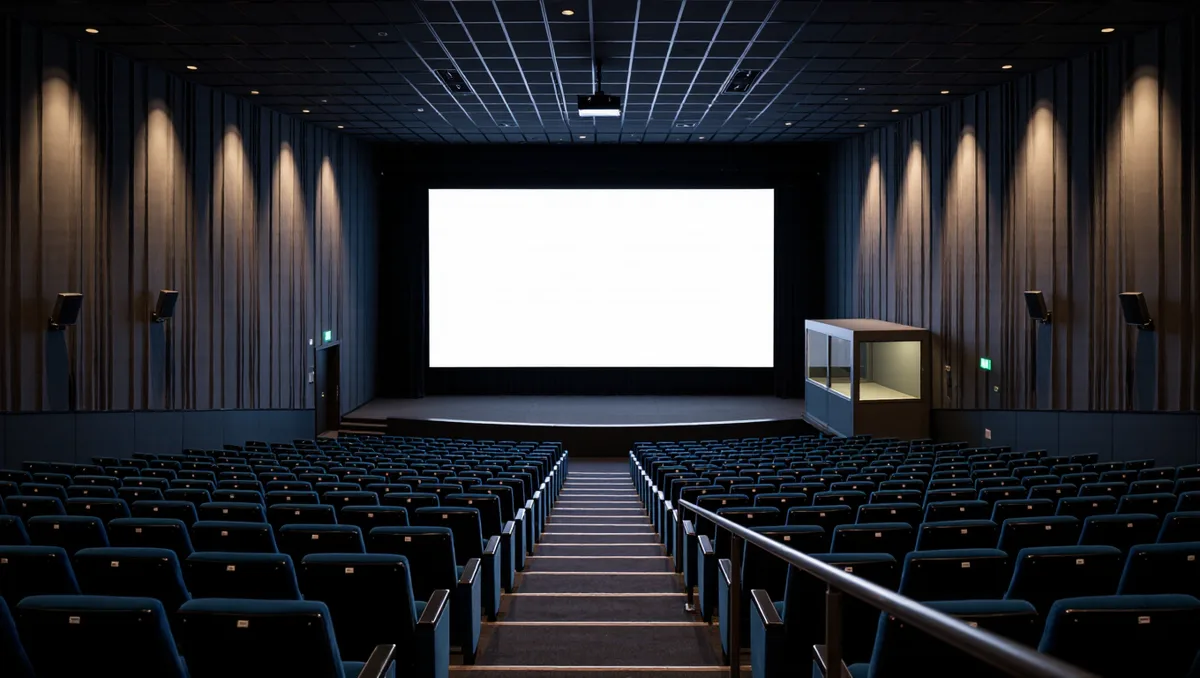
Widescreen arrived in the 1950s as studios competed with television for audiences. The idea was simple: give theaters something a small screen could not. Formats like CinemaScope pushed the frame far wider, and the 2.39:1 standard that came from that era still dominates big-budget filmmaking today.
Television moved the other way. High-definition broadcasts settled on 16:9, which equals 1.78:1. That is the shape of nearly every modern TV and computer display, and it sits between the old academy frame and the widest theatrical formats.
A third ratio, 1.85:1, is common for comedies, dramas, and smaller films. It is only slightly wider than 16:9, so it fills a home screen with barely any bars at all.
Why do directors pick one ratio over another?
The frame shape is a storytelling tool. A wide frame suits sweeping landscapes, crowds, and action, because there is room for the world on both sides of the frame. A taller, tighter frame suits intimate scenes, close-ups, and stories that feel confined.
Some filmmakers switch ratios within a single film to mark a change in time, place, or tone. A scene set in the past might use the older, squarer shape, then open up to widescreen for the present day. Documentary footage keeps its original shape even when the rest of the film uses another, because the frame itself tells you what kind of image you are watching.
Vertical video has even entered the conversation. A few theatrical projects have experimented with tall frames designed for phones, which is the logical extreme of matching the frame to the screen. Most directors still work the other way around: they pick the frame first and trust the presentation to follow.
What happens on your TV, phone, or projector?
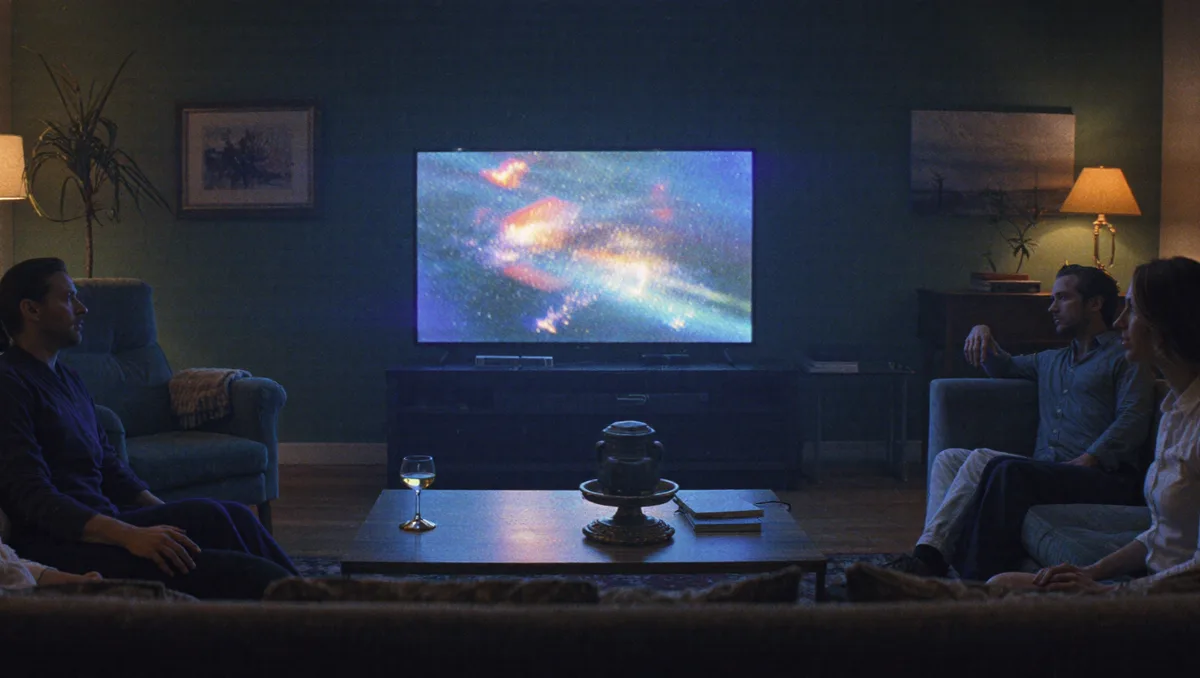
When a 2.39:1 film meets a 16:9 TV, the TV adds black bars to the top and bottom. That is called letterboxing, and it preserves the full frame. When an old 4:3 film meets the same TV, the bars go on the sides instead. That is pillarboxing. Both are correct. The image is not broken; the shapes simply do not match.
Problems start when a player or TV tries to eliminate the bars. Options usually include:
- Zoom or fill: the picture is enlarged until the bars vanish, cropping off the top and bottom of the frame. You lose part of the image, sometimes including subtitles or faces.
- Stretch: the picture is distorted to fill the screen, so people look wider or thinner than they should.
- Crop to fit: the film is reframed, often badly, to a different ratio entirely.
On a phone held upright, a widescreen film shrinks to a thin ribbon in the middle of the screen. Rotating the phone to landscape restores most of the size. On a projector, screen shape is fixed, so the same letterboxing rules apply as on a TV.
The practical habit worth building: check the disc or streaming listing for the stated ratio, and leave your TV's picture settings on their normal mode rather than zoom or stretch. The bars are doing their job.
How do streaming services handle aspect ratios?
Streaming platforms generally deliver a film in its native ratio, with the letterboxing baked into the stream or added by the player. In practice, most services present the movie as it was mastered, which is the right outcome. The catch is that the same title can appear at different ratios on different platforms when multiple versions exist, such as a theatrical cut and a broadcast or streaming cut reframed for television.
Availability and presentation details change over time, and platform pages are the reliable place to check what a service is currently offering. If a film suddenly appears with the sides cropped, or with unusual bars, the streaming listing or the disc's packaging usually states the intended ratio. Physical media tends to be the most consistent: a Blu-ray or 4K disc states its ratio on the box, and the disc delivers exactly that frame. For related coverage, see Where to Watch The Godfather Trilogy: Streaming, Rental, and Physical Options.
What this means for what you watch
Our analysis of how presentations differ comes down to three habits. First, read the ratio on the box or the listing before you assume something is wrong with the picture. Second, never use zoom or stretch to remove the bars, because the cost is real image you were meant to see. Third, expect variation between titles, and treat it as information about how the film was made rather than a flaw in your setup.
If you are deciding between streaming and disc for a favorite title, the disc usually guarantees the theatrical frame, while streaming can vary by title and by service. For more on reading what a platform is actually giving you, the streaming coverage tracks catalog and availability questions, and the film section follows the craft side of how movies are put together. This connects to our earlier piece, How to Read IMDb Ratings: What the Scores Actually Mean and Why They Vary.
Aspect ratios are one of those details that seems technical until you know the handful of numbers involved. After that, a letterboxed image stops looking like a problem and starts looking like what it is: the movie, exactly as framed.
Why does this detail matter more than it seems?
The frame is the first creative decision an audience experiences, before any performance or line of dialogue. Knowing the common ratios turns passive viewing into informed viewing. You will notice when a presentation respects the frame and when it does not, and you will know which settings to change and which to leave alone. That is the whole practical payoff, and it takes about five minutes to learn.