A first film camera should be a 35mm camera with working light seals, a reliable meter or a phone meter app beside it, and a lens you can focus without fighting. A used SLR from a mainstream maker, or a simple point-and-shoot, covers all three. Nothing fancier is needed for the first roll.
The bigger cost is not the camera. Film, developing, and scans repeat with every roll, so a cheap body with a sustainable shooting habit beats an expensive body that sits in a drawer. Buy the simplest camera that works, learn its one lens, and upgrade only when you know what frustrates you. This connects to our earlier piece, How Film Cinematography Works: What Directors of Photography Actually Do.
Shooting stills on film is a cousin of the craft this site usually covers. How Film Cinematography Works: What Directors of Photography Actually Do explains how moving-picture cameras use the same light, lens, and exposure ideas you will practice one frame at a time. The history runs deep: as Wikipedia's film history overview notes, photography was introduced in 1839, but early emulsions needed exposures so long that recording moving subjects seemed impossible — a problem solved only decades later. Your first roll joins a very old conversation.
What kind of film camera should a beginner buy?
Start with a 35mm single-lens reflex camera, usually called an SLR. It is the camera you look straight through: what you see in the viewfinder is what the lens sees. These cameras were made in huge numbers for decades, so used examples are easy to find, parts and batteries are available, and the lenses are interchangeable. When you outgrow the starter lens, the body stays useful.
A simple point-and-shoot is the other sensible first choice. It focuses and meters for you, fits in a jacket pocket, and removes almost every decision except when to press the button. The trade-off is a fixed lens and less control. Some beginners love that freedom; others feel stuck the first time they want to blur a background.
Avoid starting with medium format or any camera that takes 120 roll film. The cameras are heavier, the film costs more per shot, and labs charge more to develop it. Learn on 35mm. The skills transfer completely, and mistakes cost less.
New or used — and what should a used camera cost?
Used is the normal route, and it is where the value lives. Prices vary enormously by model, condition, and seller, so treat any single listing as one data point rather than a market price. What matters is the checklist you apply, not the badge on the front.
When you inspect a used film camera, work through the same checks every time: For related coverage, see What the National Film Registry Is, Explained: How 25 Films Are Chosen Every Year.
- Open the back and look at the foam light seals along the door edges. Crumbly black foam leaks light and fogs your film. It is replaceable, but budget for it.
- Fire the shutter at several speeds and listen. It should sound crisp, not sluggish, and each speed should feel different from the last.
- Check the battery compartment for corrosion. Green or white crust means the camera sat forgotten with a battery inside.
- Look through the viewfinder. A dusty mirror is cosmetic; heavy haze on the lens glass is not.
- Turn every dial. Stuck shutter-speed or ISO dials hint at a camera that needs a technician before it needs film.
Buy from a seller who accepts returns, or from a shop that has tested the camera and says so in the listing. A small premium for a tested body is usually money well spent.
What else do you need besides the camera?
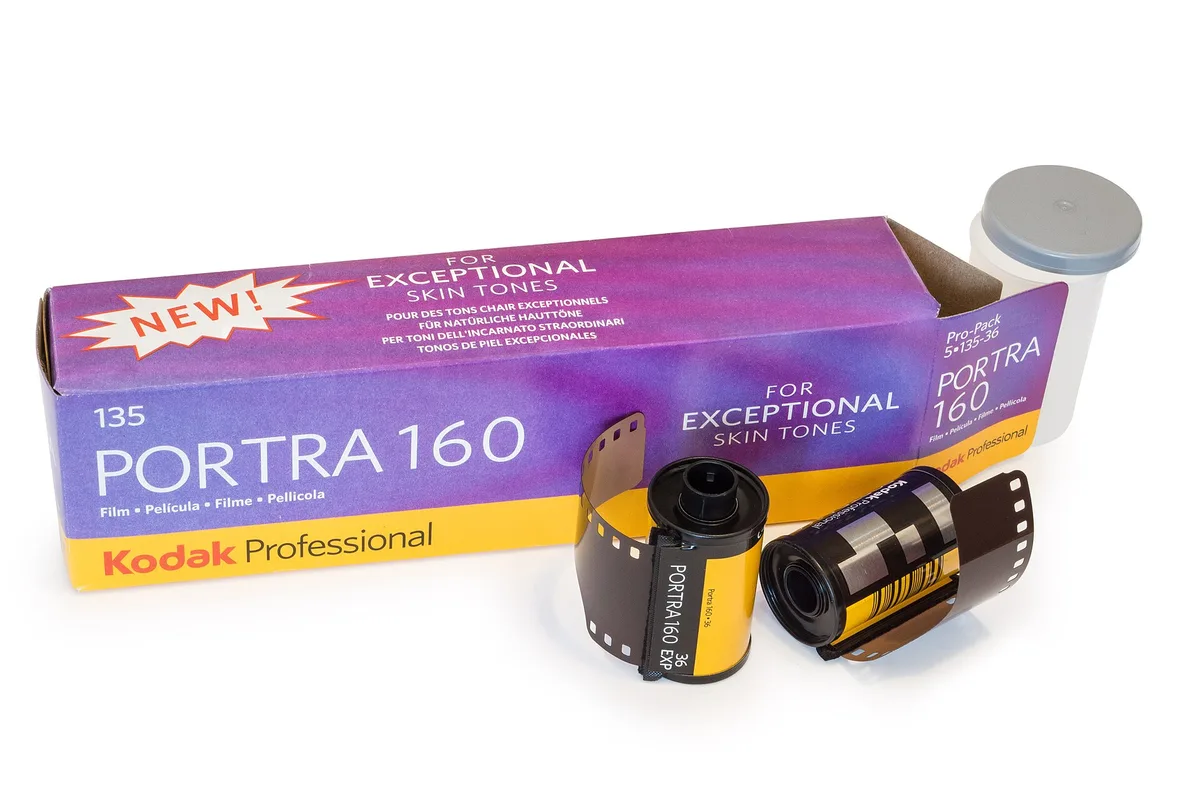
You need film, a battery if the camera meters electronically, and a lab. That is the honest minimum. Film comes in two broad flavors: color negative, which is forgiving and easy to find, and black-and-white, which is often cheaper to develop and teaches you to think about light. Either is a fine start.
Most beginners do not develop at home at first. You hand a exposed roll to a lab, or mail it in, and receive scans or prints. This is the recurring cost of the hobby, and it is worth checking local lab prices before you buy anything. If scanning is offered, take the scans; they make it easy to share and compare your frames.
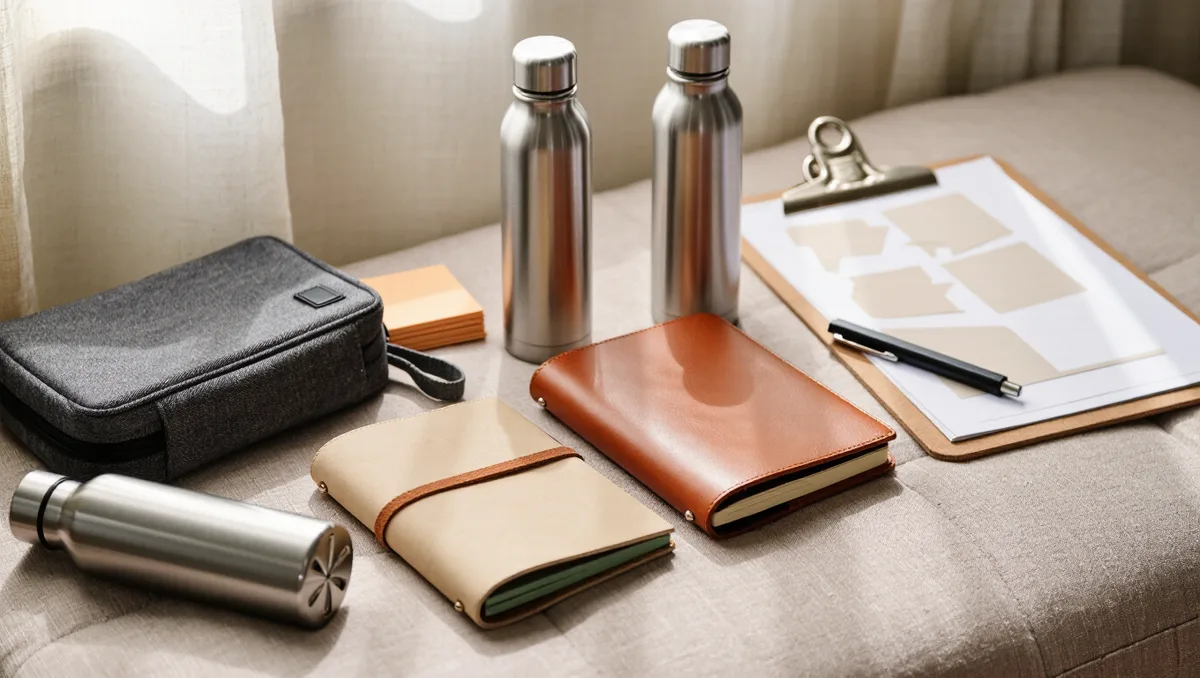
A few small extras earn their place early: a blower brush for dust, a case or padded bag, and a notebook or phone note where you write down the settings for each frame. That last one is the cheapest learning tool in photography. When a shot comes out wrong, the note tells you why.
How do you load and shoot your first roll?
Loading looks harder than it is. Do it in shade, never in direct sun. Open the back, set the film canister on the left, pull the leader across, and catch it on the take-up spool. Wind the advance lever until the sprocket holes sit on the teeth, close the back, and wind two blank frames. Many cameras have a counter or a handle that moves to confirm the film is advancing. If the rewind knob turns as you wind, the film is moving — that is your check.
Then shoot simply. Bright daylight is your friend for a first roll. Set the camera's film-speed dial to match the number on the film box, let the meter guide you, and keep the sun behind you. Expect to learn one thing per roll: focus, then exposure, then composition. Trying to master all three at once is how rolls come back disappointing.
When the roll ends, press the rewind button and rewind the film fully before opening the back. Hand it to your lab, note the settings you used, and start the next roll with those notes in hand.
What this means for your first purchase
Our analysis of where beginners actually get stuck points to one conclusion: the camera matters less than the habit. A working, modest 35mm SLR or point-and-shoot, one lens, a steady supply of affordable film, and a lab you trust will teach you more in three rolls than a collector-grade body will teach you in a year. Spend the savings on film.
It also helps to watch great images while you make your own. The film section here covers the craft from every angle, and our film coverage pairs well with time spent in the reviews archive, where you can see how professionals describe light, framing, and tone. Reading a critic's eye is free practice for your own.
The evidence for patience is everywhere in the medium's history. The tools got good slowly, and so do the photographers using them. Load the roll, shoot it, and let the second roll be better.