Some movies arrive on screen years, even decades, after someone first wrote them down. The reason is rarely one bad decision. It is a chain of small stalls: a studio changes hands, a star moves on, a budget balloons, a rights deal lapses. Development is the quiet phase of filmmaking, and it has no deadline.
This piece explains why projects get stuck, what usually unsticks them, and how a viewer can spot the signs of a long-gestating film before it arrives. It also looks at what happens to reception when a movie finally lands after a long wait.
The short answer to the core question: movies take decades when the money, the rights, and the creative team never line up at the same time. A script can be ready. The director can be attached. But without all three plus a distributor, the project sits. And unlike a finished film, a stalled one generates no headlines, so the wait goes unnoticed until a release date suddenly appears. Readers following this should also see Reviews of Disclosure Day: Do Bad Reviews Actually Kill Movies? The Myth, Explained.
What does "stuck in development" actually mean?
Development is the stretch between an idea and a shoot. A producer buys or options a script, hires writers for drafts, courts a director, and negotiates with talent. None of that guarantees a frame gets filmed. An option can expire. A writer can move to television. A studio can be sold, and the new owners can shelve everything the old ones greenlit.
The key thing to understand is that development money is small compared to production money. Paying writers for another draft costs thousands. Shooting the film costs millions. So studios keep projects warm at low cost, sometimes for years, betting that a moment will come when the whole package clicks.
Why do some projects wait decades?
Three forces do most of the stalling.
- Rights. A novel, a life story, or a remake of an older film may be split among several owners. Until everyone agrees, nobody can shoot.
- Money. Ambitious scripts need big budgets. When a studio cuts spending, the most expensive projects are the first to pause, and the last to resume.
- People. A project built around one director or one star collapses when that person becomes unavailable, passes away, or simply loses interest. Rebuilding the package means starting much of the courtship over.
There is a fourth, quieter force: fashion. A premise that felt urgent in one decade can feel dated in the next. Some projects wait not because anything failed, but because the world moved and the script has to catch up.
What finally gets a stalled film made?
Usually one of three triggers. A new distributor sees commercial value where the old one did not. A director with fresh leverage revives a passion project. Or a technology change makes the film possible at a workable cost, which has been especially true for animation and effects-heavy work.
When a long-delayed project does surface, it often looks different from the version announced years earlier. New cast, new writer, sometimes a new studio. That is not a failure of the original; it is the price of the wait. The film that gets made is the one someone was finally willing to pay for.
How can you spot a long-gestating film before it arrives?
Trade coverage of casting and director attachments is the main public record. When a project is announced, shelved, and re-announced with a different team, that history is usually traceable in the coverage itself. A viewer following a director's career will also notice the passion project that gets mentioned in interviews for years without a release date.
Release calendars help too. A film that suddenly lands a date after years of silence usually means the deal closed. The absence of a date, not the presence of one, is the signal that a project is still stuck.
Does a long wait change how a movie is received?
It can, but not in one direction. A long development history can build anticipation, especially for a beloved director's passion project. It can also raise expectations to a level no finished film can meet. And when a project waited through a technology shift, early footage may look out of step with the finished film, which can confuse audiences who remember the first announcements.
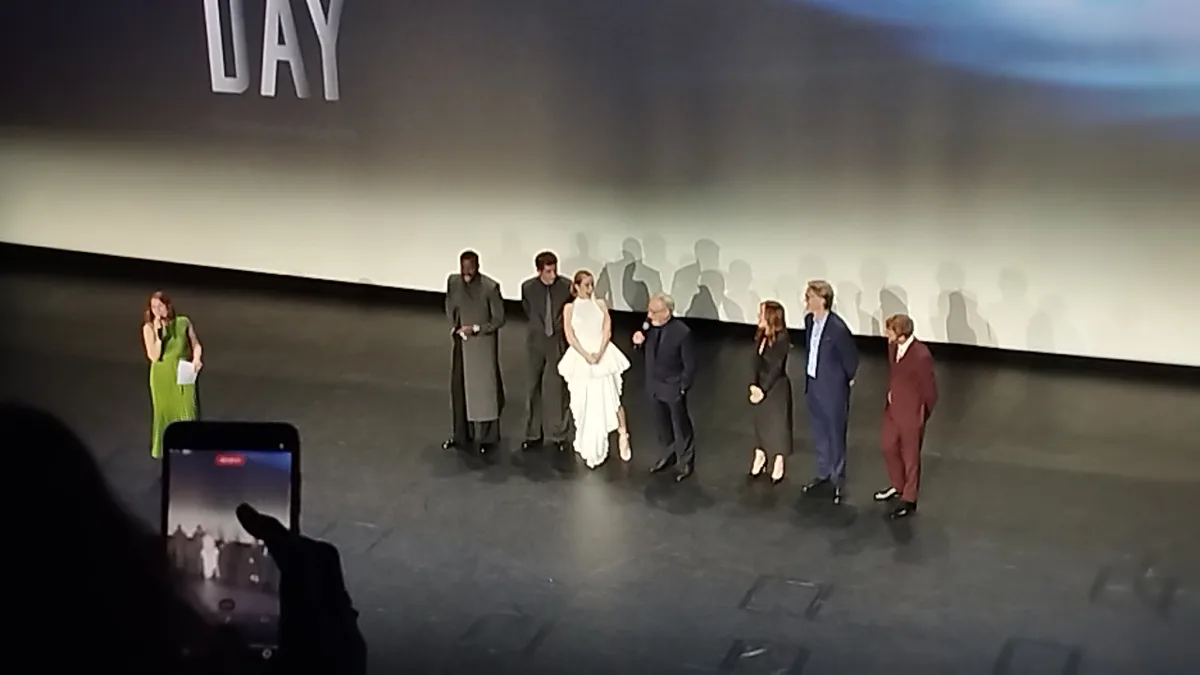
The reception record is worth reading with this in mind. Current releases show how the modern cycle works: according to Rotten Tomatoes, the films drawing the most viewer attention right now include Travis Knight's stop-motion fantasy Wildwood and Steven Spielberg's Disclosure Day, with critics' consensus notes praising Wildwood's "painstaking stop-motion wizardry" and Disclosure Day's "career-highlight work by Emily Blunt." Those projects moved from announcement to release on relatively fast timelines, which is the opposite pattern from the decades-long waits described above. For a closer look at how one of them landed, see the publication's coverage of Reviews of Disclosure Day: Do Bad Reviews Actually Kill Movies? The Myth, Explained.
What this means for viewers
Our analysis of the pattern: the wait itself tells you almost nothing about quality. A film delayed ten years can be a triumph or a mess, and the delay is evidence of business trouble, not artistic trouble. What the wait does tell you is who wanted the film made. Projects that survive decades of stalls usually have at least one person, a director or producer, who kept pulling. That persistence is often visible in the finished film's character.
For readers deciding what to watch, the practical takeaway is simple. Judge the finished film on its own record, not on its development lore. The tools for that are the same as for any release: read what named critics actually said, separate the reception from the backstory, and check the film's own record before deciding. A good starting point is the publication's guide to Reviews: How to Judge a Movie Review From Any Critic, and the broader reviews section collects that coverage in one place. Readers tracking where new and catalog titles land can also check the streaming section for current availability.
What remains unknown is the size of the phenomenon. No complete public count exists of projects waiting in development at any given moment, because studios do not publish shelved slates. What the record does show, release by release, is that the pipeline eventually empties. Some films simply take the long road to get there.