Film preservation means stabilizing and storing the physical elements of a movie — negatives, prints, sound tracks — so it survives, while restoration means creating a new definitive version from those elements, typically by scanning at 4K or higher, repairing damage digitally, and referencing the original look. The Library of Congress has estimated that a majority of American silent films are already lost, and about half of all films made before 1950 no longer exist in complete form — which is why the National Film Registry, selecting 25 films annually since 1988, exists at all. This explainer covers how the pipeline works; facts current as of February 2026.
Why Do Films Decay in the First Place?
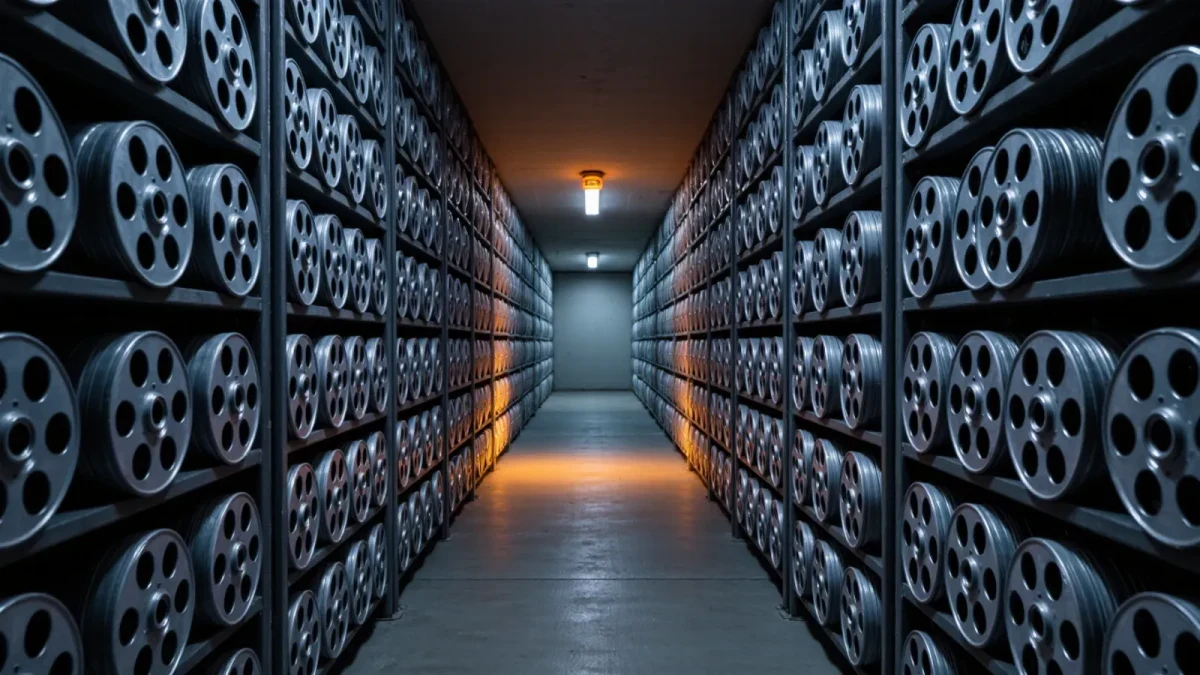
Most films made before 1951 were printed on cellulose nitrate stock, a chemically unstable base that shrinks, bubbles, and eventually turns to powder — and can combust in storage. Nitrate's successor, cellulose acetate ("safety film"), brought its own decay: the "vinegar syndrome," where reels give off acetic acid and become brittle. Color film fades — the dyes of Eastmancolor stocks from the 1950s-1970s faded badly — and magnetic sound elements delaminate. Cold, dry storage slows all of it: archives maintain vaults at near-freezing temperatures with controlled humidity precisely because chemistry, not carelessness, is the default enemy.
What Do Film Archives Actually Do?
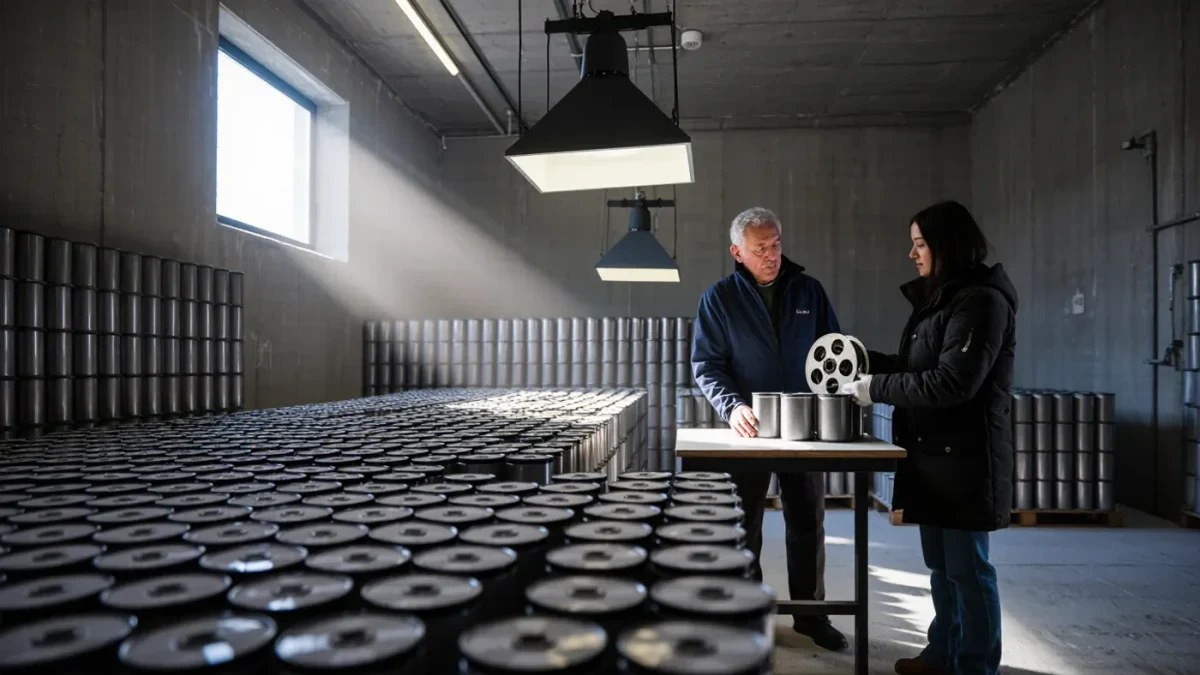
The major U.S. institutions — the Library of Congress Packard Campus for Audio-Visual Conservation, the UCLA Film & Television Archive, the George Eastman Museum, and the Academy Film Archive — hold millions of items in climate-controlled vaults and work through a triage discipline: survey what exists, prioritize the most endangered, and preserve by creating new archival elements before the old ones fail. Preservation means duplication onto stable modern film stock and, increasingly, scanning to digital files under validated standards; the goal is a survivor, not a pretty picture. Access — screenings, streaming, discs — is a downstream decision that preservation makes possible.
How Does a Restoration Actually Happen?
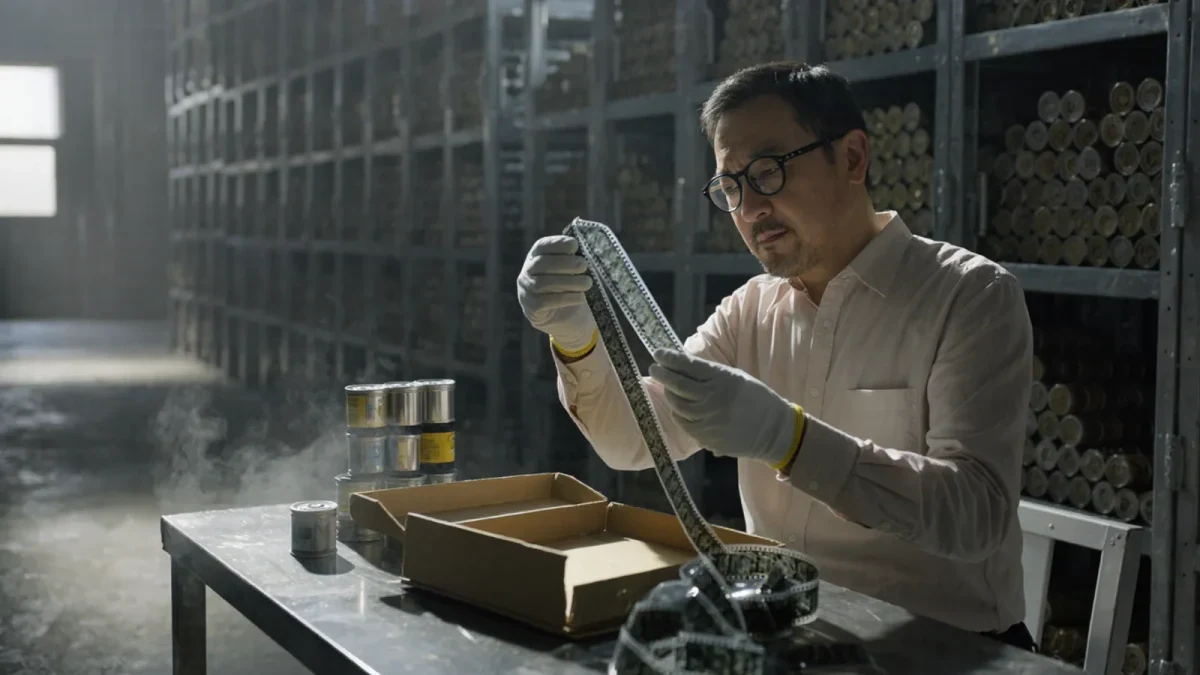
A typical project, as described by the archives and labels that fund them, runs in stages. First, locate the best surviving elements — often the original camera negative, sometimes a fine-grain positive or a mint print kept by a collector. Second, physically repair and clean the film so it can run through a scanner. Third, scan at 4K or 8K, frame by frame. Fourth, digitally repair scratches, stabilize shrinkage, rebuild torn frames, and restore color by reference to surviving prints or the filmmakers' notes. Fifth, rebuild the soundtrack from optical or magnetic elements. Finally, output both a new archival film element and a digital master. A feature can take a year or more and cost from tens of thousands to over a million dollars, which is why restorations are usually event-driven — anniversaries, a label's release slate, or a rights-holder's investment.
What Is the National Film Registry?
The National Film Preservation Board, administered by the Library of Congress, selects 25 films each year for the National Film Registry — works deemed "culturally, historically or aesthetically significant," at least ten years old, chosen with public nomination input. The registry, created by Congress in 1988, passed its 850th title in the early 2020s and covers everything from Hollywood classics to home movies, industrial films, and avant-garde work, with annual selections announced each December. Being listed does not itself fund a restoration; it signals importance and helps prioritization, per the Library of Congress's own published description of the program.
Who Pays for Preservation?
- Federal and foundation funding: the Library of Congress and the National Film Preservation Foundation fund rescue work on orphan films with no commercial owner.
- Studios: the majors run their own preservation programs, protecting the commercial library.
- Boutique labels and distributors: 4K releases by labels like Criterion effectively crowd-fund restorations through sales.
- Filmmakers and estates: directors who control their negatives often initiate scans.
The persistent gap is "orphan films" — newsreels, silent-era shorts, independent and avant-garde works with no rights-holder willing to pay — which is where public funding concentrates and where losses remain most likely.
How Can You Tell a Good Restoration From a Bad One?
Not every release labeled restored deserves the word. The markers of a serious restoration are documented provenance and restraint: the credits or notes name the elements scanned — ideally the original camera negative — the archive or lab responsible, and the reference used for color, such as a vintage print or the cinematographer's approval. Restorations that scrub every scratch, remove grain entirely, or push colors toward modern saturation are treating the film as material to improve rather than evidence to recover, and film historians have criticized such releases when the original texture is lost.
Conversely, an honest restoration keeps the marks of age where they are inherent, reproduces the intended grain structure, and prefers the softer tonality of the film's era over contemporary contrast curves. Comparison screenshots circulate quickly among collectors, and persistent criticism — as happened with certain widely debated catalog releases in the 2010s-2020s — has pushed labels toward transparency about their sources.
For viewers, the practical test is simple: a restoration should look like the film looked, not like a new film. Grain present but stable, blacks with texture, and a credit note naming an archive are the visible signs that someone did the work properly.
What Can Viewers Do?
The public nomination form for the National Film Registry is open to anyone on the Library of Congress site, and nominations genuinely shape the shortlist the board considers. Supporting restorations is simpler still: buying the 4K or Blu-ray release of a restoration funds the next one, and attending archive screenings demonstrates demand. For family collections on film or videotape, archives advise cool, dry storage and digitization before playback — every pass of a decaying tape risks the only copy. The system that keeps cinema's first century watchable runs on exactly this mixture of public institutions, commercial incentive, and individual action.