What Are FAST Streaming Channels, Explained: Free Ad-Supported TV and Who Offers It
FAST channels are free, ad-supported linear streaming channels — here is how they work, what they cost to watch, and where to find them.
Streaming tracks the major services week by week: what arrived, what expires soon, which originals justify a subscription, and which catalog titles sit buried under poor artwork. Entries name the platform, the region where it matters, and the leaving date. For subscribers deciding what to watch or cancel.
Weekly tracking across Netflix, Max, Prime, Disney+, Apple and Hulu: new arrivals, expiring titles and the good things hidden behind bad artwork.
FAST channels are free, ad-supported linear streaming channels — here is how they work, what they cost to watch, and where to find them.

Streamers decide renewals with a different toolkit than television networks used, built on hours viewed, completion rates, and what a show costs to keep.

Full-season drops and weekly episodes are two different viewing contracts — here is how each works, why streamers choose them, and what it means for your watchlist.
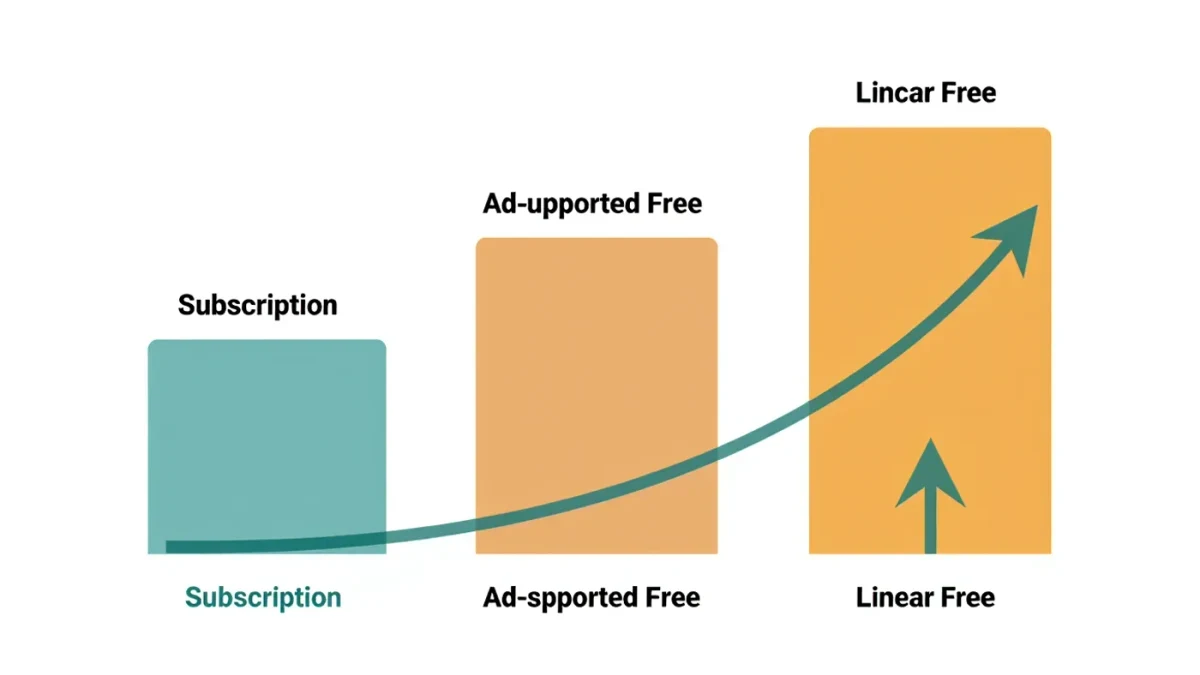
AVOD — ad-supported video on demand — is why Tubi, Pluto TV, and The Roku Channel cost nothing. Here is how the model works and what it means for viewers.

From 90-day exclusive theatrical windows to pandemic day-and-date experiments and today's hybrid cadence — how films travel from cinemas to couches has been rebuilt in fifteen years.
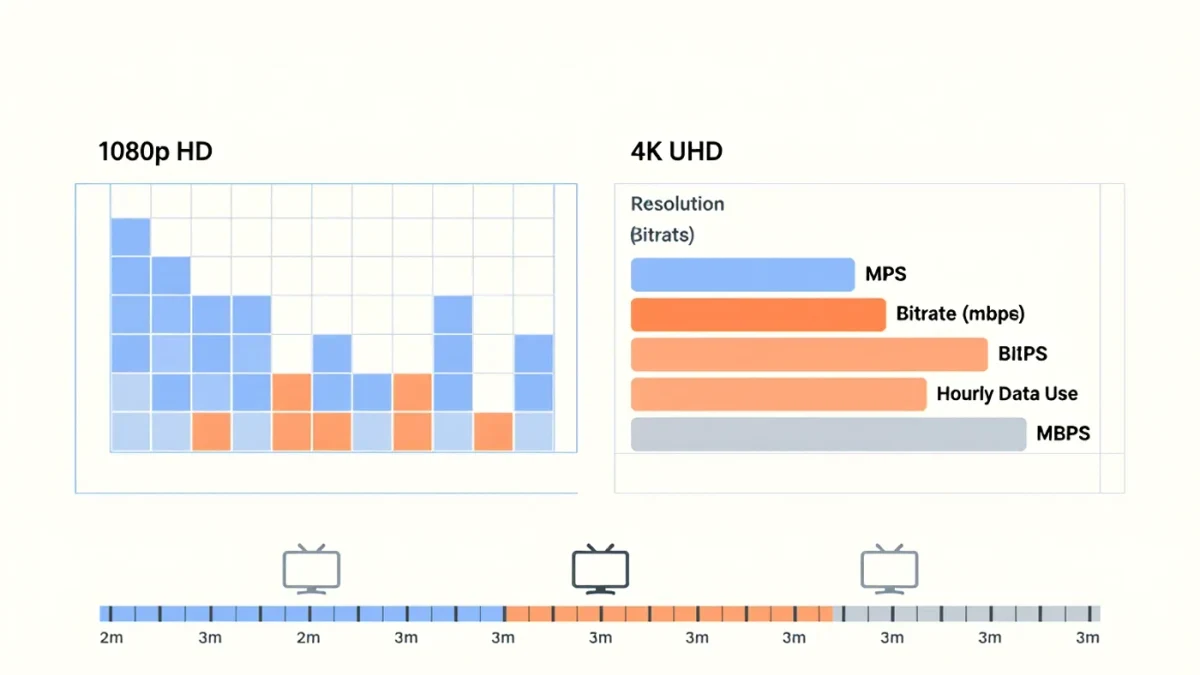
4K streaming delivers four times the pixels of HD — but whether you need it depends on your TV size, seating distance, plan tier, and internet speed. Here is the breakdown.