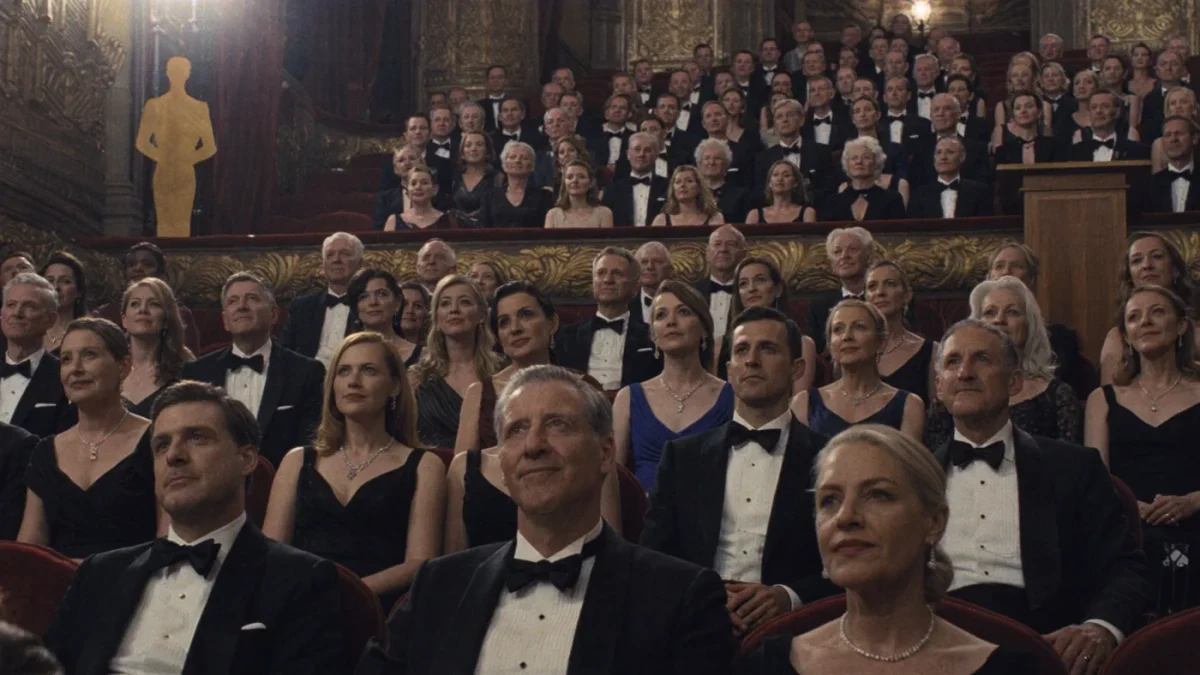
The Academy Awards began on May 16, 1929, as a private dinner for about 270 people at the Hollywood Roosevelt Hotel, with winners announced in advance; the ceremony first aired on television in 1953 and now runs as a live global broadcast watched by tens of millions. Nearly a century of changes — in categories, eligibility, broadcasting, and membership — separate that dinner from the current show. This primer walks the eras and the specific turning points, from the founding record rather than from ceremony-by-ceremony memory.
This is a history primer. Dates and category changes below are drawn from the Academy of Motion Picture Arts and Sciences' published record and standard reference sources.
How Did the Oscars Start?
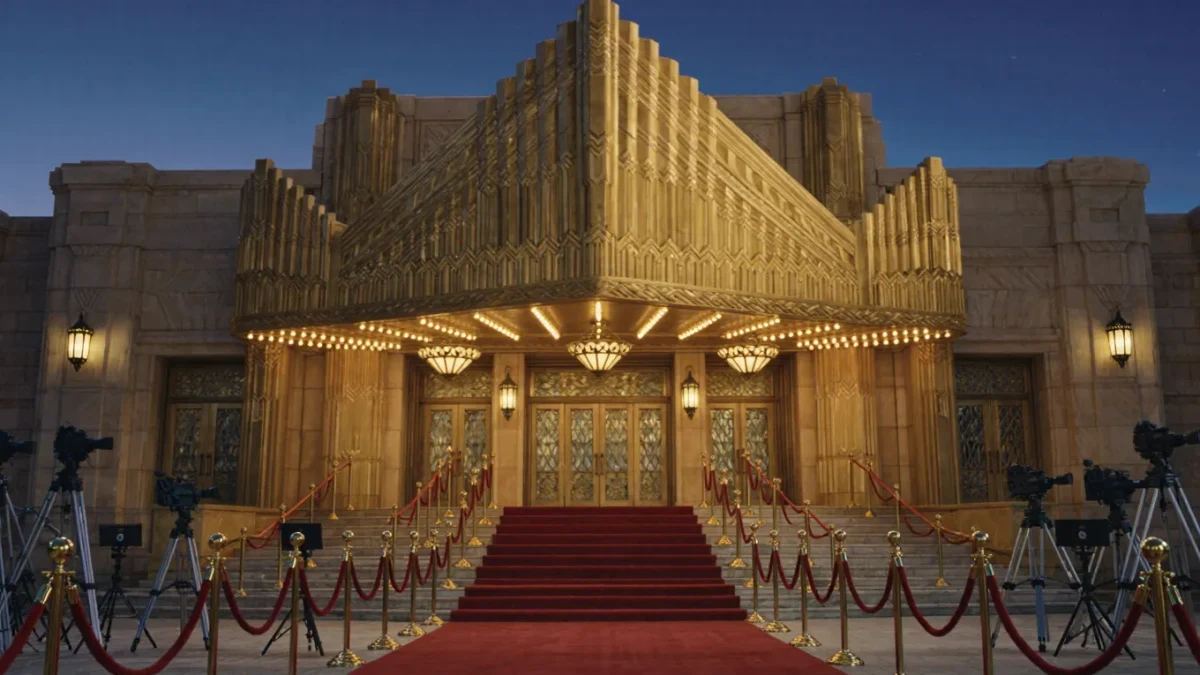
The Academy was founded in 1927 as an industry body covering labor arbitration and public relations, with awards as one project among several. The first ceremony, honoring films of 1927 and 1928, took place at the Hollywood Roosevelt Hotel on May 16, 1929; tickets cost five dollars, the ceremony ran fifteen minutes, and the winners had been announced three months earlier. The tradition of secrecy — sealed envelopes — began in 1941 after the Los Angeles Times printed the 1939 winners before the dinner. The statuette itself was designed in 1928, and the nickname Oscar was in wide industry use by the mid-1930s; the Academy adopted it officially in 1939.
When Did Categories Take Their Modern Shape?
Gradually, and tellingly. Best Sound and Best Song arrived in the 1930s as talking pictures consolidated. Best Supporting Actor and Actress were added in 1936, formalizing the industry's recognition of character work. Best Foreign Language Film — now Best International Feature — began as an honorary award in 1947 and became competitive in 1956. Best Animated Feature, long resisted on the argument that animation competed unfairly against live action, finally arrived with the 2001 ceremony after the animation boom of the 1990s. Best Makeup (1981), Best Visual Effects (competitive from 1963), and the documentary and short categories each mark a point where the industry acknowledged work it had been doing for decades.
What Did Television Change?
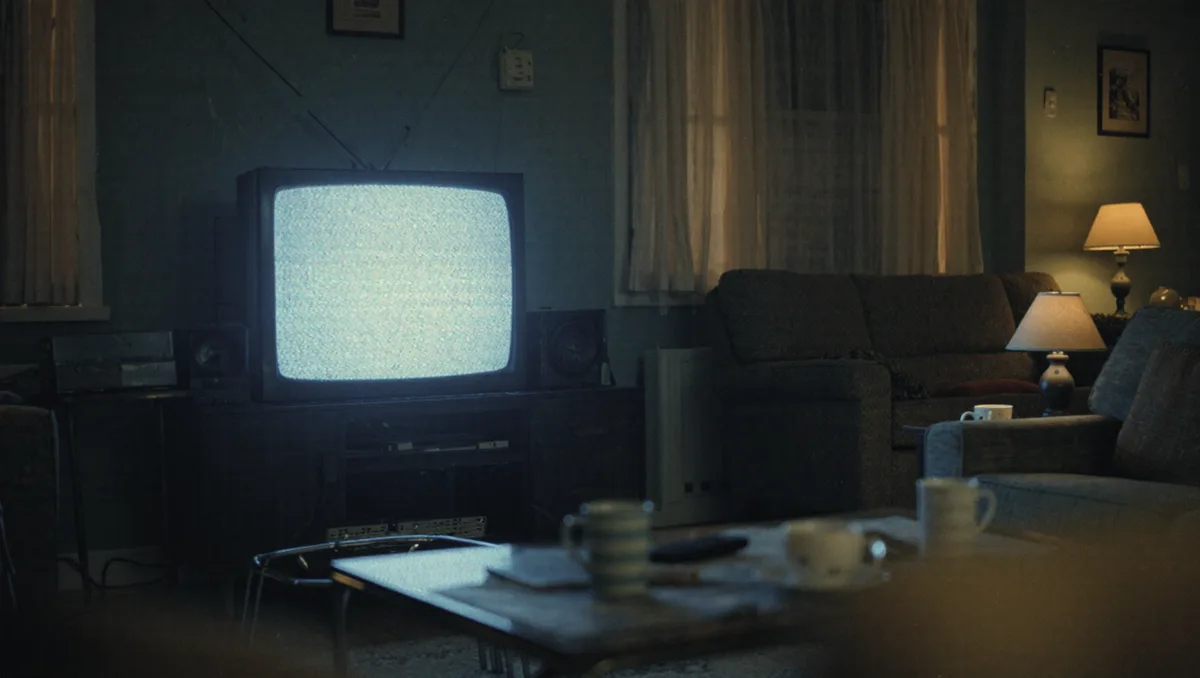
Everything about scale. The first TV broadcast, on March 19, 1953, reached the ceremony's widest audience to that point and fixed the format: a hosted stage show built for cameras. The broadcast went to color in 1966. International satellite distribution followed, and by the late 20th century the telecast was airing in well over a hundred countries. Television also created the modern awards economy — the red carpet pre-shows, the fashion industry's Oscar night, and the advertising rates that made the broadcast a top annual draw. Every subsequent format change, from Billy Crystal's medleys to the streaming-era host experiments, has been negotiated with the telecast's needs first.
How Has Best Picture Evolved?
By expansion and renaming. The category was called Best Production until 1931, when Best Picture took hold. The field held five nominees for most of its history until 2009, when the Academy expanded to ten after criticism that popular films — The Dark Knight's 2008 snub is the standard cited example — were being excluded while ratings depended on popular films being present. A sliding six-to-ten system operated from 2011 to 2021, when the Academy fixed the field at ten. The Best Picture winner's preferential ballot, adopted in 2009, changed campaigning in ways strategists still debate. And the streaming question reshaped eligibility: after 2020's pandemic rule allowing films without theatrical runs, the Academy settled on a theatrical requirement that streamers now satisfy with qualifying releases.
What Were the Ceremony's Defining Controversies?
A few recur in the historical record. The 1973 stage refusal by Sacheen Littlefeather on Marlon Brando's behalf put Native American representation in film on the broadcast itself. The 2016 #OscarsSoWhite protests, after two consecutive years of all-white acting nominations, led to the Academy's 2016 membership reforms — doubling women and members from underrepresented groups by 2020, a goal the Academy reported reaching that year, and diversifying the branch that votes. The 2017 Best Picture envelope mix-up, in which La La Land was announced before Moonlight was corrected, became the ceremony's most replayed error. And the 2022 on-stage slap involving Will Smith prompted the Academy's formal disciplinary process and a ten-year ban.
How Do International Films Fit the Modern Story?
Increasingly at the center. Parasite (2019) became the first non-English-language Best Picture winner at the February 2020 ceremony, also taking Best Director, Original Screenplay, and International Feature. Roma (2018) and Drive My Car (2021) preceded it with major-category wins, and the category's 2020 renaming from Foreign Language Film to International Feature marked the shift in framing. Acting nominations for performers in non-English films, once rare, became recurring in the 2020s. The Academy added membership internationally over the same period, changing who votes.
How Has the Broadcast Adapted to Declining Ratings?
With format experiments, some reversed. The linear TV audience fell steadily from the mid-2010s through 2021's pandemic low, per Nielsen ratings published each year. The Academy tested a shortened runtime in 2019, briefly proposed moving below-the-line categories off the live show in 2022 before reversing under industry pressure, added a fan-favorite vote, and in 2024 returned to a fixed early start time. The streaming era brought the show to Disney's Hulu with a live simulcast beginning with the March 2025 ceremony — the first time the Oscars streamed live in the U.S. — alongside the ABC broadcast, a shift reported by Reuters and the trades as the clearest sign of where viewership is moving.
What Has Stayed the Same?
The core mechanics, remarkably. Members of the Academy vote by branch; accountants tabulate sealed results; the televised envelope opening survives every format change. The ceremony has moved venues, months, and mediums, but the 1929 structure — an industry body honoring its own, on a stage, with a statuette — is still the skeleton. What changed is everything around it: how many people watch, who votes, which films qualify, and which languages those films speak.